Global chip supply chain diversifies beyond key regions
The global semiconductor supply chain is expanding its geographical footprint, with new manufacturing and research facilities emerging in various regions beyond traditional hubs. This diversification aims to enhance resilience and mitigate risks.
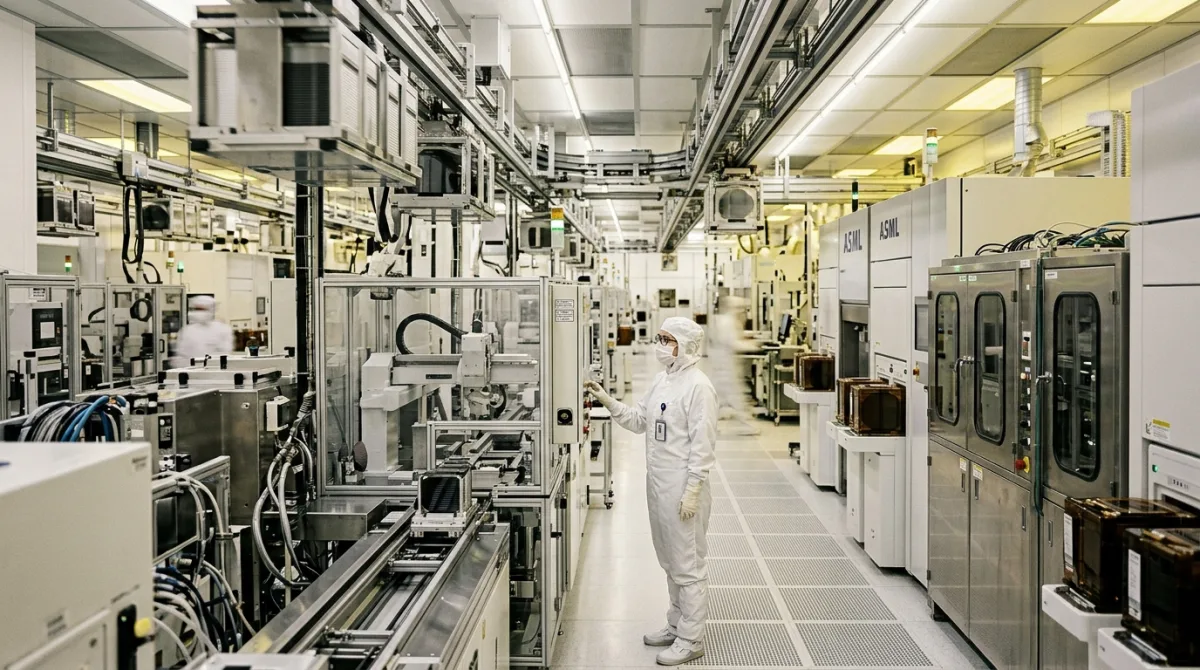
Emerging Hubs Reshape Chip Production Landscape
The global semiconductor supply chain is actively expanding manufacturing and research facilities into new geographical areas, moving away from its historical concentration in East Asia and a few established hubs. This involves significant capital investment and strategic policy shifts in various nations aiming to build more resilient production networks for vital electronic components. The shift reflects a strategic recalibration within the industry and amongst governments worldwide.
New fabrication plants, assembly sites, and research centres are being planned or are under construction across continents, including Europe, North America, and parts of Southeast Asia. This geographical dispersion marks a notable departure from the decades-long trend of hyper-specialisation and regional concentration that defined chip production for many years. Industry analysis indicates a sustained effort to de-risk future supply vulnerabilities.
Decades of Concentration Prompt Strategic Re-evaluation
For decades, the semiconductor industry pursued efficiency through highly specialised and geographically concentrated operations. Advanced chip fabrication became heavily reliant on a few key regions, most notably Taiwan, while other East Asian nations dominated in areas like chip packaging and assembly. This model prioritised cost-effectiveness and rapid innovation, creating an intricate global network.
However, this concentration exposed critical vulnerabilities during the COVID-19 pandemic. Widespread supply chain disruptions led to severe chip shortages, impacting industries from automotive manufacturing to consumer electronics and causing significant economic losses globally. The fragility of the highly interconnected system became undeniably apparent.
Simultaneously, rising geopolitical tensions prompted national governments to increasingly view semiconductor manufacturing capability as a matter of economic security and national defence. Concerns over potential disruptions to critical technology supply lines spurred a political drive for greater domestic or allied chip production capacity. Major economies, including the United States and the European Union, responded by introducing substantial subsidy programmes and legislative initiatives aimed at attracting new chip manufacturing investment within their borders or in close proximity.
In response to both market pressures and governmental incentives, leading chipmakers and their broader supply chain partners began evaluating and committing to new sites. This corporate response, driven by the dual imperatives of market demand and policy support, has led to numerous investment announcements in regions previously less prominent in the advanced semiconductor landscape, initiating the tangible diversification now underway.
Factors Shaping New Production Landscapes
The success and scale of this global diversification effort hinge on several critical factors, each presenting significant trade-offs and challenges. These elements collectively determine the feasibility and long-term viability of new semiconductor hubs, influencing where and how quickly capacity can be expanded.
- Capital Investment: Building and equipping advanced semiconductor fabrication plants (fabs) requires tens of billions of pounds, with costs for a single cutting-edge facility often exceeding £15 billion. The sheer scale and ongoing nature of this investment determines the pace and feasibility of establishing new production capabilities, often necessitating substantial government subsidies to offset initial financial burdens.
- Skilled Labour: Operating these highly complex facilities demands a specialised workforce, including advanced engineers, technicians, and research scientists. The availability and training of this talent pool in new geographical locations is a critical bottleneck, requiring significant long-term educational and vocational programmes to meet industry demands.
- Ecosystem Development: A robust semiconductor supply chain extends far beyond the chipmakers themselves, encompassing a vast network of suppliers for specialised materials, manufacturing equipment, gases, and ancillary services. Replicating this intricate and highly integrated ecosystem in new regions takes considerable time, coordination, and additional investment, often requiring relocation of existing suppliers or the creation of new ones.
- Geopolitical Stability: While diversification aims to mitigate risks associated with over-concentration, the long-term success of new manufacturing hubs depends on sustained political and economic stability in those regions. New investments must navigate existing geopolitical realities, balancing the desire for reduced reliance on specific areas with the need for a predictable and secure operating environment.
Each of these factors represents a complex challenge that requires coordinated effort from both governments and private industry. The balancing act between cost-efficiency, technological leadership, and supply chain resilience will define the future structure of chip production. Decisions made now will have ramifications for decades to come, shaping the availability and cost of essential electronic components globally.
Impact on Key Stakeholders
Global Semiconductor Manufacturers
Major chip foundries and integrated device manufacturers are committing substantial capital towards this diversification, with investments estimated in the hundreds of billions of pounds globally over the next decade. These significant expenditures are directed towards new factory construction, equipment procurement, and research and development initiatives in regions such as Arizona, Germany, and Japan. This impacts their operational expenditures and long-term strategic planning, requiring meticulous financial management.
The shift necessitates new logistical arrangements for raw materials and finished products, and often entails higher initial production costs compared to established, highly efficient East Asian facilities. While this may initially compress profit margins for some product lines, the long-term benefit is a more geographically dispersed and potentially resilient asset base. These investment cycles are typically long, spanning five to ten years before new facilities reach full operational capacity and optimal efficiency.
Technology-Dependent Industries
Industries heavily reliant on semiconductor components, including automotive, consumer electronics, data centres, and industrial automation, stand to benefit from increased supply chain resilience. The direct impact will be a gradual reduction in the risk of severe component shortages, which previously led to substantial production halts, delayed product launches, and lost revenue across multiple sectors. This improved stability offers greater predictability for manufacturing schedules.
While some initial manufacturing costs for certain chip types might incrementally increase due to less optimised or subsidised new production lines, the longer-term benefit is a more stable and predictable supply of essential components. This transition is expected to unfold over the next five to fifteen years as new fabrication plants come online, scale production, and mature their operational processes. The improved security of supply is considered a vital trade-off against potential minor cost increases.
The Challenge of True Independence
While the push for diversification is significant, critics argue that true global independence or complete self-sufficiency in semiconductor manufacturing for any single region remains an exceptionally difficult and potentially unachievable goal. The immense complexity and deep interconnectedness of the industry, developed over decades, present formidable barriers that transcend simply building new factories.
The deep specialisation built over decades means that key elements of the chipmaking process, from advanced lithography equipment to niche chemicals, often remain concentrated in very few suppliers, regardless of where the final fabrication takes place.
This means that even with new fabrication plants established in diverse geographical locations, a critical dependency on a narrow set of upstream suppliers could persist. The distributed manufacturing model might only shift the point of vulnerability within the supply chain rather than eliminating it entirely, potentially introducing new logistical complexities without fully addressing foundational dependencies on a handful of highly specialised providers. The argument suggests that a truly diverse ecosystem requires fundamental shifts at every level of the value chain, not just at the final chip fabrication stage.
Uncertainty Surrounding Long-Term Viability
The long-term economic viability of dispersed manufacturing
It is not yet clear whether the new, geographically diverse chip manufacturing sites can ultimately achieve the same levels of cost-efficiency and technological advancement as the highly concentrated existing hubs. The substantial government subsidies currently underpinning many of these projects raise pertinent questions about their sustained profitability and competitiveness once initial incentives expire. The ability of these new regions to attract and retain the necessary highly skilled talent over decades, alongside developing a full supporting ecosystem of auxiliary industries and research institutions, remains an open question that will significantly influence their ultimate economic competitiveness and contribution to global supply. Future market dynamics and technological shifts could also impact the sustainability of these nascent hubs.
Observable Signals for Future Development
Observers will continue to monitor the progress of announced factory constructions and equipment installations in newly designated regions. Key observable signals include the commencement of trial production runs and the substantial hiring of engineering and technical staff at these sites, which indicate tangible operational advancements. The official opening of facilities and the first shipment of commercially produced chips from these new locations will mark significant milestones in the diversification process.
Further policy announcements from national governments regarding additional incentives, updated regulatory frameworks, or new international collaborations will also be indicative of sustained political and financial commitment to diversification efforts. The reporting of quarterly and annual financial results from major chipmakers and equipment suppliers will offer crucial insights into the allocation of capital expenditures towards these new geographical investments, reflecting the ongoing strategic priorities of the industry. These signals, rather than specific dates, will demonstrate the pace and direction of the evolving chip supply chain.
Reader responses
Responses are read by the desk before they appear. A factual correction reaches us fastest here, and is made on the article itself with a dated note.
No responses on this report yet.