Chip manufacturing costs increase across the industry
Chip manufacturing costs are rising significantly across the semiconductor industry due to increased material expenses, labor shortages, and the complexity of advanced fabrication processes.
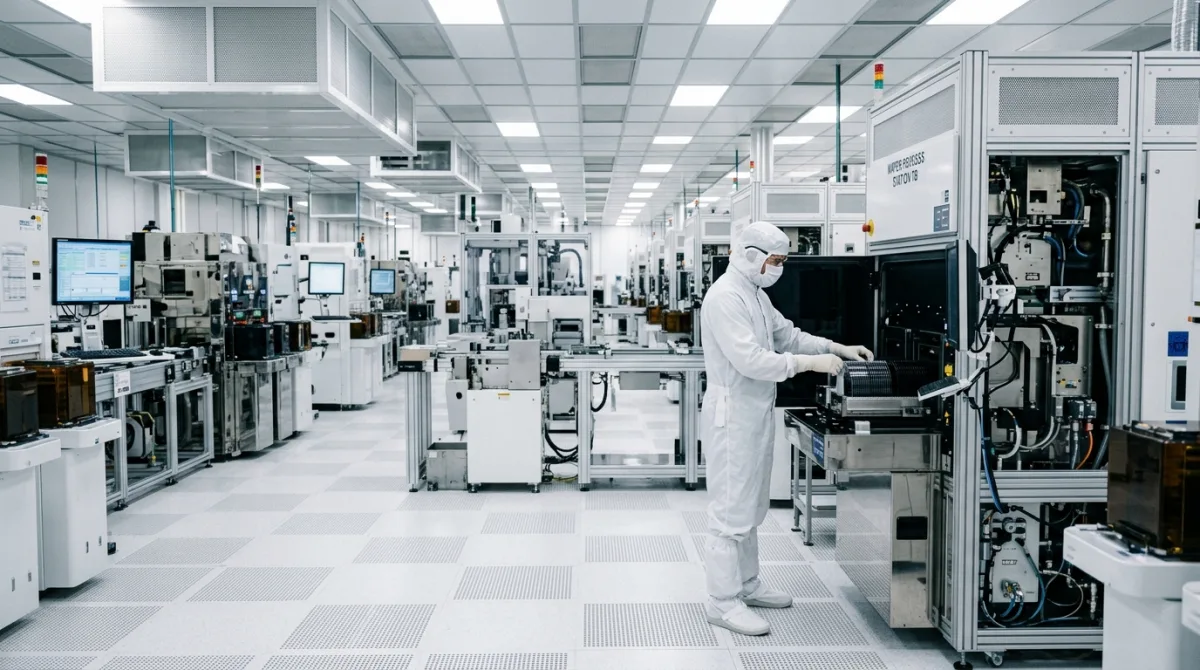
Industry Faces Sharply Rising Chip Production Expenses
Chip manufacturing costs have seen a significant increase across the entire semiconductor industry. This rise impacts a broad spectrum of components, from advanced processors powering cutting-edge data centres and consumer electronics to more mature chips essential for automotive systems and industrial controls.
The upward trend reflects a confluence of factors, moving beyond transient supply chain disruptions to more fundamental shifts in the economics of semiconductor fabrication. Manufacturers are now confronting higher expenses at every stage of the production cycle, from raw materials to final packaging.
Escalating Complexity and Global Disruptions Drive Cost Surge
The current upward pressure on chip manufacturing costs stems from a sequence of interconnected global and technological developments. Initially, the surge in demand for electronics during widespread lockdowns around the world placed unprecedented strain on existing fabrication capacities, leading to extended lead times and initial price adjustments for certain components.
This demand shock was compounded by subsequent logistics bottlenecks, which hampered the timely delivery of essential raw materials and finished chips, further inflating operational costs for foundries. Simultaneously, the relentless pursuit of smaller transistor nodes, critical for enhancing performance and power efficiency, has introduced escalating research and development expenditures.
Developing and acquiring the highly specialised equipment required for advanced manufacturing processes, such as extreme ultraviolet (EUV) lithography, represents a substantial capital outlay. Each new generation of chip technology demands more precise engineering and cleaner production environments, adding layers of complexity and cost to factory construction and operation.
Moreover, geopolitical shifts have prompted a re-evaluation of global supply chain resilience, encouraging investments in regional manufacturing capabilities. While intended to bolster security of supply, these initiatives often involve significant government subsidies but also incur higher initial setup and operational costs compared to established, globally optimised production hubs.
Key Determinants of Manufacturing Expense
Several concrete factors are currently shaping the trajectory of chip manufacturing costs, often involving complex trade-offs between performance, security, and economic viability.
- Capital Investment: The enormous cost of building and equipping state-of-the-art fabrication plants, known as fabs, continues to escalate with each new generation of process technology. Constructing a leading-edge facility can require tens of billions of pounds, a figure that must be amortised over the lifetime of the facility and its products.
- Raw Material Pricing: Access to and the cost of highly purified raw materials, including silicon wafers, noble gases, and rare earth elements, significantly influence overall production expenses. Fluctuations in commodity markets or geopolitical restrictions on resource extraction can directly impact input costs for chipmakers.
- Research & Development: The ongoing investment in fundamental research and development for new process nodes and manufacturing techniques represents a substantial and growing portion of the industry's expenditure. This includes the development of more precise lithography tools and novel material science, pushing the boundaries of physics and engineering.
- Geopolitical Considerations: Efforts by nations to secure domestic semiconductor supply chains introduce additional costs, as facilities built for strategic resilience may not always benefit from the same economies of scale or optimal geographic positioning as globally distributed operations. This can lead to higher operational expenses for localised production.
These factors collectively create a challenging environment where manufacturers must balance the imperative for technological advancement with the need for economic efficiency and supply chain robustness. The interplay of these elements will largely decide the ultimate cost structure for future chip production.
Widespread Impact Across the Technology Ecosystem
Chip Manufacturers and Foundries
Leading chip manufacturers and dedicated foundries are directly contending with elevated operational expenditures. These include higher utility costs, increased labour expenses for highly skilled technicians, and the rising price of maintenance for increasingly complex machinery. Companies are seeing pressure on their gross margins, necessitating careful management of pricing strategies for their wafer output.
The need for continuous investment in next-generation fabrication capabilities, alongside the higher day-to-day running costs, means that the capital intensity of the business is growing. This places a premium on achieving high utilisation rates for expensive equipment and securing long-term contracts with major customers to ensure a stable revenue stream.
Device Makers
For companies that incorporate semiconductors into their products, ranging from consumer electronics firms to automotive manufacturers and industrial equipment providers, the rising cost of chips translates directly into a higher bill of materials. This affects the pricing of everything from smartphones and laptops to advanced medical devices and electric vehicles. Manufacturers must decide whether to absorb these increased component costs, impacting their own profitability, or pass them on to end consumers.
The impact is particularly pronounced for products that rely on a large number or variety of chips, or those operating on thin margins. Supply agreements are being re-negotiated, and some companies are reportedly exploring redesigns to use more readily available or less expensive chip alternatives where possible, albeit often at the expense of peak performance or specific features.
End Consumers
Ultimately, a substantial share of these increased manufacturing costs is projected to find its way to the end consumer through higher retail prices for electronic goods. While the impact might be gradual and vary by product category, the overall trend suggests that devices incorporating advanced semiconductors will become more expensive over time. This could influence purchasing decisions and slow the upgrade cycle for some consumers.
Beyond individual device prices, the pervasive nature of semiconductors means that indirect costs could also rise. Industries that rely heavily on digital infrastructure, from cloud computing services to smart home technologies, may face increased operational costs, which could eventually be reflected in service fees or other charges for users.
National Economies
At a macroeconomic level, the rising cost of chip manufacturing has implications for national competitiveness and inflation. Countries aiming to build or expand domestic chip production facilities face substantial investment hurdles, potentially diverting public funds from other areas. The higher price of essential technological components can also contribute to broader inflationary pressures within economies heavily reliant on imported electronics.
This situation also affects innovation cycles, as the barrier to entry for developing new hardware or services that require custom silicon becomes higher. Governments are increasingly looking at strategies to mitigate these effects, including subsidies for R&D and manufacturing, as part of broader industrial policies aimed at securing technological sovereignty.
Efficiency Gains May Mitigate Some Concerns
While the reports of increased manufacturing costs are widespread, some industry observers suggest the full impact may be less severe or more manageable than often portrayed. This perspective hinges on the argument that continuous improvements in manufacturing efficiency and economies of scale at leading foundries could partially offset the rising headline costs.
Even as the cost of individual process steps escalates, the ability to pack more transistors onto a single die, or to yield more functional chips from each wafer, means that the cost per transistor continues its long-term downward trend, albeit at a slower pace. This ongoing efficiency gain, it is argued, provides a buffer against the raw increase in fabrication expenses.
The semiconductor industry's inherent drive for miniaturisation and improved wafer yields means that the effective cost per unit of processing power continues to decline, absorbing some of the overall manufacturing cost increases.
Furthermore, not all chip production is equally affected by the most extreme cost increases associated with leading-edge nodes. Many essential chips, particularly for automotive or industrial applications, are produced on more mature, depreciated process technologies where the capital expenditure has largely been recovered, making them less susceptible to the most acute cost pressures of new fab construction.
Uncertainty Surrounds Future Capacity Utilisation
Market Demand Stability
A significant unknown remains regarding the long-term stability and growth trajectory of market demand for semiconductors, particularly in the face of potentially higher device prices. While current demand for advanced chips remains robust, any sustained slowdown in consumer spending or enterprise technology upgrades could alter the industry's investment calculus. This could lead to a scenario where new, expensive fabrication capacity, planned during periods of high demand, might face under-utilisation if global economic conditions soften, thereby impacting the profitability of these substantial investments. The balance between planned capacity expansions and actual future demand is a critical open question for the industry.
Observable Signals for Industry Watchers
Observers looking to understand the evolving landscape of chip manufacturing costs should monitor several key indicators. Quarterly earnings reports from major foundries and integrated device manufacturers will offer insights into shifts in gross margins, capital expenditure plans, and revenue projections, providing a clearer picture of how companies are managing the financial pressures.
Announcements regarding the progress or delays of new fabrication plant construction, particularly those involving advanced process nodes, will signal the industry's confidence in future demand and its ability to absorb higher investment costs. Furthermore, changes in government policy concerning subsidies for domestic chip production or adjustments to trade regulations for key materials will directly influence the cost environment. Any noticeable shifts in pricing strategies for new consumer electronics or industrial hardware from major device makers will also serve as a practical indicator of how these manufacturing cost increases are being passed through the supply chain.
Reader responses
Responses are read by the desk before they appear. A factual correction reaches us fastest here, and is made on the article itself with a dated note.
No responses on this report yet.