Chip manufacturing capacity faces sustained input cost pressure
Chip manufacturing capacity faces persistent input cost pressure, impacting production and pricing. The industry navigates rising material and energy expenses, with no immediate relief anticipated.
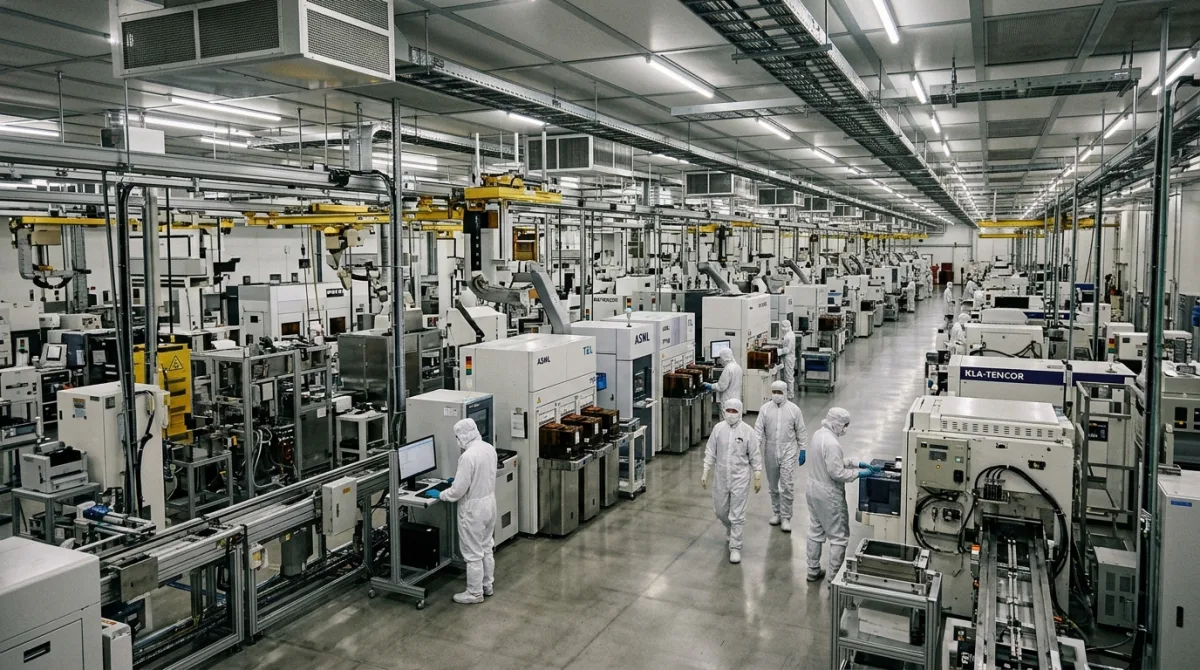
Chip manufacturing capacity faces sustained input cost pressure
The global semiconductor industry is experiencing a persistent and widespread increase in the fundamental costs associated with chip production. This development encompasses rising prices for raw materials, the advanced manufacturing equipment required, and the significant energy consumed by fabrication plants.
The cumulative effect is exerting sustained pressure on operational expenses across the entire manufacturing capacity. This situation signals a potential recalibration of pricing structures throughout the technology supply chain, impacting long-term investment decisions.
How the pressure on input costs developed
This current pressure on input costs has emerged from a confluence of interconnected global events over recent years. An initial surge in demand for electronic devices, driven by shifts in work and leisure patterns, placed unprecedented strain on existing manufacturing capabilities.
This was swiftly followed by widespread disruptions to global supply chains, affecting the timely and predictable delivery of essential raw materials like silicon wafers, rare earth elements, and specialised gases. Concurrently, volatility in global energy markets led to substantial increases in electricity prices, directly impacting the highly energy-intensive operations of chip foundries.
Furthermore, geopolitical tensions have intermittently restricted the access and inflated the cost of certain critical components and manufacturing technologies, adding another layer of complexity to procurement. Finally, a tightening global labour market for highly skilled engineers and technicians has pushed up staffing costs within this specialised sector.
Factors shaping the industry's response
Several critical factors will determine how the semiconductor industry navigates these sustained input cost pressures and what impact they ultimately have on global chip manufacturing capacity. The trade-offs involved in each factor are becoming increasingly prominent in strategic decision-making.
- Raw material supply: The ability to secure consistent and affordable supplies of essential materials, ranging from silicon and various metals to specialty chemicals and industrial gases, is paramount. This often involves a trade-off between diversifying supply chains to mitigate risk and consolidating purchasing to achieve economies of scale.
- Energy intensity: Semiconductor fabrication is one of the most energy-intensive industrial processes, making stable and competitively priced energy a significant determinant of operational viability. Manufacturers must balance the immediate cost of traditional energy sources against the long-term investment and potential stability offered by renewable energy solutions.
- Capital expenditure: The multi-year investment cycles required for building new fabrication plants and upgrading existing facilities represent enormous capital outlays, often in the tens of billions of pounds. Industry players face the challenge of committing to these massive expenditures amidst uncertain future input costs, balancing the need for increased capacity against potential returns.
- Geopolitical influence: Government policies, trade agreements, and international relations increasingly shape the landscape for technology manufacturing, particularly concerning critical components. This involves a delicate balance between national security objectives, which may favour domestic production at higher costs, and the economic efficiencies derived from a globally distributed and interconnected supply chain.
Ultimately, the interplay of these factors will dictate the pace and direction of capacity expansion. Manufacturers continually assess how to absorb or pass on rising expenses while remaining competitive in a dynamic global market.
Who is affected by rising chip production costs
Chip Manufacturers
Fabrication plants globally are facing higher operating expenses, with some industry reports estimating notable increases in their quarterly production costs compared to prior periods. This direct impact on the bottom line can reduce profit margins if these costs cannot be fully offset by efficiency gains or passed on to customers.
Investment cycles for new fabrication facilities, which typically span several years and involve expenditures often exceeding £15 billion, are under scrutiny. The elevated cost of construction materials, advanced manufacturing equipment, and skilled labour can delay planned expansions or lead to a recalibration of projected capacities.
Electronics Companies
Original Equipment Manufacturers (OEMs) that integrate semiconductors into their products will likely see an increase in the cost of critical components. This could affect product pricing for consumers and potentially impact their competitive position across various markets, from consumer electronics to enterprise solutions.
Sectors spanning automotive, computing, telecommunications, and industrial automation rely heavily on a steady and affordable supply of chips. These companies face potential disruptions to their own production schedules and increased expenditure on essential components, necessitating adjustments to their procurement and inventory management strategies.
Consumers
The eventual passed-on costs from both chip manufacturers and electronics companies will likely translate into higher retail prices for end products. Devices such as smartphones, laptops, gaming consoles, and electric vehicles could become more expensive to purchase.
This trend could also influence the pace of innovation and product refresh cycles, as companies may become more cautious about launching new products if the underlying component costs remain elevated, potentially slowing the introduction of next-generation technologies.
National Economies
Nations aiming for semiconductor self-sufficiency through domestic manufacturing incentives may find their initiatives considerably more costly to implement. Government subsidies for new fabrication plants, intended to foster local production and technological resilience, will need to account for these rising input prices, potentially requiring larger fiscal commitments.
The broader economic impact includes possible inflationary pressures within the technology sector, a foundational element of modern economies, and a reduced competitiveness for industries heavily reliant on semiconductors if domestic production costs significantly outstrip global averages.
The case against widespread capacity reduction
While the current environment presents significant challenges, the established resilience of the semiconductor industry, coupled with its history of rapid technological innovation, suggests that current cost pressures may not lead to a lasting reduction in global manufacturing capacity. Industry leaders have consistently found ways to optimise production processes, secure alternative supplies, and improve efficiency through advancements in material science and manufacturing techniques. Furthermore, major players often operate with substantial profit margins, potentially allowing them to absorb some cost increases without immediately passing them on to consumers, at least in the short term.
The industry's capacity for rapid adaptation and its long-term commitment to cost reduction through scaling and continuous innovation means these pressures are likely to be absorbed or mitigated without a fundamental, lasting impact on global capacity expansion.
Historically, periods of increased costs have spurred further investment in automation and research and development aimed at driving down the per-unit cost of production over time.
Uncertainties regarding manufacturing geographies
The long-term impact on manufacturing geographies
It remains unclear how these sustained input cost pressures will ultimately influence the geographical distribution of future chip manufacturing investments. While many governments are actively pushing for localised production for national security and economic resilience reasons, the increased cost burden could make such ventures less economically viable without substantial, ongoing state support that accounts for the higher operational expenses. The specific balance between achieving national strategic objectives and maintaining global economic efficiency in determining where new fabrication plants are built is a complex interplay that has yet to fully materialise. How existing regional subsidies will adapt to these higher baseline costs, and whether new incentives will emerge, is also an open question.
Observable signals for the coming period
Industry analysts will be closely monitoring quarterly earnings reports from major foundries and equipment suppliers for clear indicators of profit margin compression or adjustments to previously announced capital expenditure plans. Further signals will include announcements regarding new strategic partnerships for raw material sourcing or long-term energy supply agreements, which could reflect efforts to stabilise input costs.
Any shifts in the pricing strategies adopted by leading chipmakers and their major customers will be closely observed, indicating how widely these costs are being distributed throughout the value chain. Government policy responses, aimed at maintaining domestic competitiveness or bolstering local production capabilities, will also provide insight into the evolving landscape.
Reader responses
Responses are read by the desk before they appear. A factual correction reaches us fastest here, and is made on the article itself with a dated note.
No responses on this report yet.