Corporate balance sheets reflect evolving supply chain risks
Corporate balance sheets are increasingly showing the financial impact of evolving supply chain risks, with companies adjusting their strategies to mitigate potential disruptions and economic volatility.
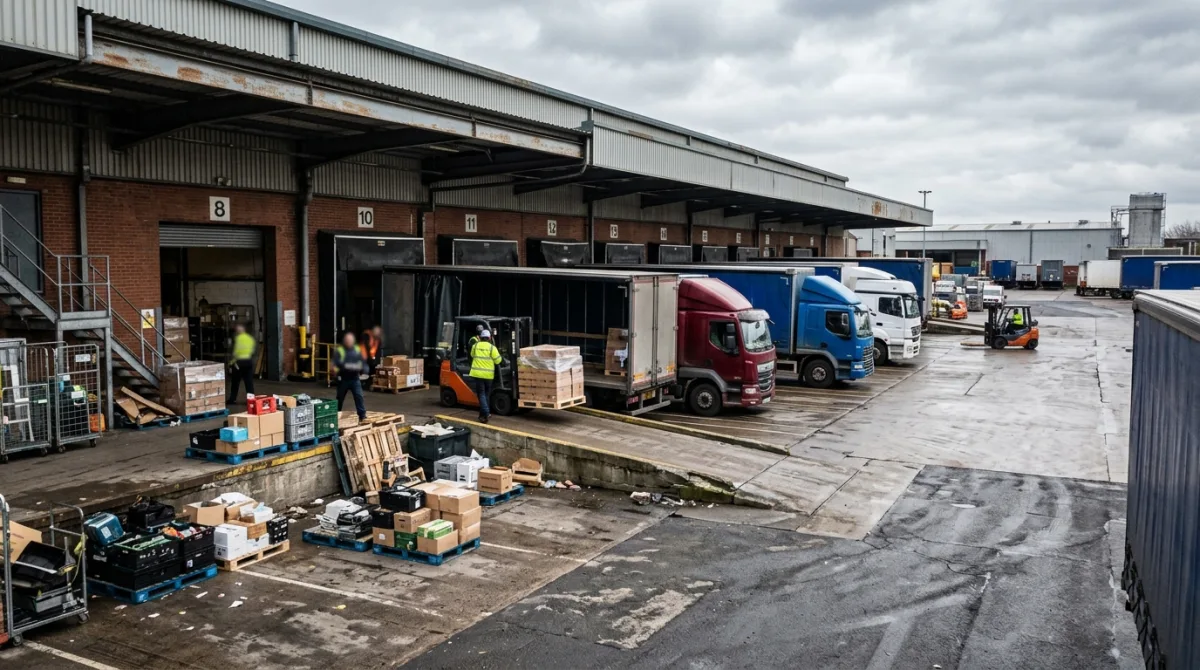
Shifting Inventory Strategies Emerge in Financial Reports
Corporate balance sheets across various sectors are increasingly showing evidence of strategic shifts in supply chain management, notably through elevated inventory levels and diversified sourcing arrangements. This development signals a move away from the highly efficient, just-in-time models that dominated global commerce for decades. The adjustments are becoming visible in the working capital figures and asset structures detailed in recent financial disclosures.
This discernible pattern reflects a calculated decision by businesses to prioritise resilience over immediate cost minimisation. The change is not uniform across all industries but is particularly pronounced in sectors susceptible to component shortages and logistics disruptions.
A Sequence of Disruptions Spurs Reassessment
The current recalibration of supply chain strategies has unfolded as a direct consequence of a series of global disruptions over recent years. Initially, widespread lockdowns and restrictions exposed the fragility of lean inventory systems, leading to acute shortages in critical components and finished goods across numerous industries.
Following this, a surge in demand, coupled with constrained capacity, resulted in unprecedented bottlenecks in global shipping and port operations. These logistical challenges led to significant delays and substantial increases in freight costs, eroding profit margins for many companies reliant on international trade routes.
Further pressure arose from volatility in energy markets and geopolitical events, which introduced unpredictable fluctuations in raw material prices and production costs. Labour shortages in key manufacturing and logistics hubs compounded these issues, making it difficult for firms to maintain consistent output and delivery schedules. These cumulative pressures compelled a fundamental re-evaluation of long-standing operational assumptions and risk tolerances.
Key Factors Shaping Supply Chain Decisions
Several critical factors are now determining the trajectory of corporate supply chain strategies, each involving complex trade-offs that appear in financial statements.
- Inventory Costs: The financial burden of holding larger stock, including warehousing, insurance, and obsolescence risks, is being weighed against the cost of lost sales from stock-outs.
- Supplier Diversification: Spreading sourcing across multiple vendors and geographical regions increases complexity and potentially unit costs but reduces the impact of disruption from a single supplier or area.
- Technology Investment: Investment in real-time supply chain monitoring and predictive analytics offers earlier warning of potential issues, contrasting with the significant upfront capital expenditure and integration challenges.
- Geopolitical Stability: Companies are evaluating the long-term stability and regulatory environment of sourcing countries, often balancing lower immediate production costs against the risk of future trade barriers or political instability.
These considerations are leading to varied approaches, with some firms opting for regionalisation of supply chains while others focus on building greater buffer stock within their existing global networks. The decisions made now are shaping future operational efficiencies and risk profiles.
Impact on Manufacturers and Retailers
Manufacturers and Retailers
Many large manufacturing firms, particularly in the automotive, electronics, and industrial goods sectors, have reported increased working capital dedicated to inventory over the past two years. This shift reflects a strategic decision to buffer against future disruptions, often at the expense of short-term cash flow efficiency and a lower inventory turnover ratio. The move aims to safeguard production schedules and customer commitments, even if it means carrying higher carrying costs.
Retailers have also seen stock levels rise, with some reporting higher write-downs due to obsolescence or changing consumer preferences for goods purchased during earlier supply chain anxieties. The period immediately following peak disruption saw a surge in "panic buying" of inventory across various retail categories, leading to subsequent overstocking in certain segments. This has forced some to absorb higher storage costs and implement aggressive discounting to clear excess stock, affecting gross margins.
For smaller businesses, particularly those with limited access to capital, the pressure to hold more inventory can be more acute. Their balance sheets often show a disproportionate amount of capital tied up in stock, potentially limiting investment in other growth areas. This financial strain has been observed across multiple quarters since the initial global supply shocks.
The Cyclical Versus Structural Debate
While balance sheets clearly show increased inventory holdings and evidence of diversified sourcing, some analysts argue that these trends represent a temporary reaction to recent shocks rather than a fundamental strategic pivot. They suggest that as global conditions normalise, the financial pressures of holding excess stock will inevitably lead companies to revert to leaner, more cost-efficient models.
The current accumulation of inventory on corporate balance sheets may merely represent a cyclical response to recent supply shocks, rather than a permanent abandonment of efficiency-driven supply chain principles.
Proponents of this view point to the historical, enduring drive for efficiency and cost reduction as a core force in business strategy. The significant capital tie-up, increased operational costs, and risk of obsolescence associated with larger inventories are powerful disincentives that are expected to regain prominence as the urgency of immediate supply disruption recedes. This perspective suggests that the current state is an anomaly, not a new normal.
Uncertainty Over Long-Term Profitability
The Long-Term Impact on Profitability
It remains unclear how these structural shifts in supply chain management will ultimately affect long-term corporate profitability and shareholder returns. The increased resilience might protect against future revenue losses from stock-outs and customer dissatisfaction, but the sustained costs of higher inventory, more complex sourcing networks, and potentially redundant production capacities could compress margins over time. The optimal balance between enhanced resilience and maintaining competitive efficiency is still being actively determined by individual firms, with varying strategies being tested across different sectors. The extent to which consumers or end-users will absorb these increased costs, or if companies will simply accept lower returns, is also an open question.
Signals for Future Observation
Future company accounts will offer crucial insights into whether these higher inventory levels persist as a new standard or if firms begin to draw down stock as supply chain conditions stabilise and become more predictable. Analysts will be closely monitoring inventory turnover ratios and the ratio of working capital to revenue for indications of strategic shifts. Any sustained deviation from historical averages could suggest a lasting change in operational philosophy.
Reports on capital expenditure will indicate continued investment in alternative production sites, warehousing expansion, or logistics infrastructure, signalling a commitment to geographical diversification and increased buffer capacity. Additionally, disclosures detailing supplier concentration ratios or the number of key suppliers will offer insights into the ongoing commitment to reducing reliance on single points of failure. Significant changes in reported metrics for supply chain resilience will be key indicators of evolving strategies.
Reader responses
Responses are read by the desk before they appear. A factual correction reaches us fastest here, and is made on the article itself with a dated note.
No responses on this report yet.