Proposed spending bill faces delay amid cross-party resistance
A proposed spending bill is facing an unexpected delay in parliamentary proceedings due to growing cross-party resistance, raising concerns about its timely passage.
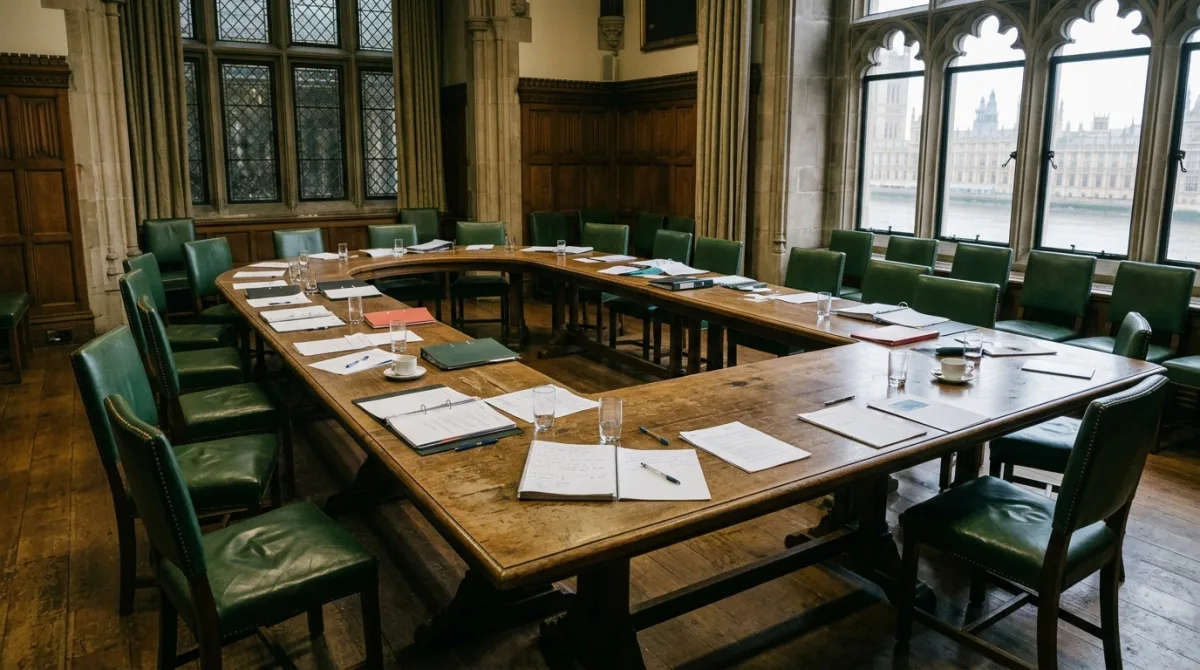
Spending Bill Stalled as Parliament Faces Cross-Party Gridlock
A significant proposed government spending bill, outlining substantial public expenditure across multiple departments for the upcoming fiscal cycle, has been formally delayed from its scheduled progression through Parliament. The decision follows weeks of mounting internal dissent within the governing party and concerted opposition from various parliamentary groups, halting the legislative process before key debates could commence.
This unexpected postponement casts a shadow over the government's legislative agenda, particularly its capacity to deliver on several pre-announced policy commitments. The bill, initially presented as a cornerstone of the administration's economic strategy, now faces an uncertain future amid persistent disagreements over its scope and funding mechanisms.
Path to Impasse: Weeks of Mounting Resistance
The proposed spending bill, initially introduced with a clear government mandate to boost investment in specific public services and infrastructure, began its parliamentary journey several weeks ago with an optimistic outlook. Early stages saw a broad outline presented, detailing planned allocations for areas such as healthcare, education, and regional development initiatives, intended to stimulate economic activity and address long-standing disparities.
However, initial enthusiasm quickly waned as detailed clauses began to circulate among Members of Parliament. Backbenchers from the governing party, concerned about the potential for increased national debt and the perceived lack of fiscal prudence in certain allocations, started to voice their reservations privately and then more openly. These internal concerns were swiftly amplified by opposition parties, who launched a coordinated campaign highlighting what they described as insufficient funding in critical areas and excessive spending in others, alongside a lack of transparency in projected outcomes.
The sequence of events leading to the delay intensified over the past fortnight, marked by a series of tense parliamentary committee meetings where amendments were proposed and fiercely debated without resolution. Reports of whips struggling to secure sufficient support for the bill's second reading vote underscored the depth of the resistance. The final decision to delay came as it became clear that the government lacked the necessary majority to pass the legislation without significant, and potentially unpalatable, concessions.
Factors Shaping the Bill's Eventual Fate
The ultimate trajectory of the proposed spending bill will be determined by a complex interplay of parliamentary dynamics and external pressures, each presenting distinct trade-offs for the government.
- Government cohesion: The extent to which the governing party can reconcile its internal divisions, particularly between its more fiscally conservative wing and those advocating for greater public investment, will be crucial.
- Opposition unity: The ability of disparate opposition parties and rebel government MPs to maintain a united front on specific objections to the bill's provisions will dictate the level of pressure on the government to compromise.
- Economic outlook: Evolving economic forecasts, including projections for inflation, interest rates, and national growth, will influence both the perceived affordability of the bill and the public's appetite for significant new public spending.
- Public engagement: The degree to which various advocacy groups, industry bodies, and the wider public actively campaign for or against specific elements of the bill could shift the political calculus for wavering parliamentarians.
Each of these factors carries implications for the government's ability to navigate parliamentary hurdles, potentially forcing a choice between substantial revisions to the bill or a protracted legislative battle that could consume significant political capital.
Impact on Public Service Delivery
Frontline Public Sector Workers
The delay directly affects frontline public sector workers across several key areas, particularly those anticipating changes tied to the bill's proposed departmental allocations. For instance, planned recruitment drives for several thousand new healthcare professionals, intended to alleviate staffing pressures in hospitals and community services, are now on hold.
Similarly, a substantial programme for upgrading educational facilities, which would have provided funding for hundreds of school maintenance projects and new classroom construction in deprived areas, faces an indefinite pause. This uncertainty impacts local authorities responsible for project delivery, as well as the contractors and suppliers who would have benefited from the associated investment over the next two to three years.
The Case Against Fiscal Expansion
Critics of the proposed spending bill have consistently argued that its expansive nature represents an imprudent approach to public finance, particularly given the prevailing economic climate. A central concern revolves around the long-term sustainability of the proposed expenditure, with many suggesting that the bill would commit the nation to levels of borrowing that are difficult to justify in the current environment of elevated national debt and persistent inflationary pressures.
Objectors contend that while some investment is necessary, the bill's broad scope includes programmes that lack sufficient evidence of efficacy or offer poor value for money. They argue that a more targeted approach, prioritising essential services and fiscally responsible investments, would better serve the public interest and safeguard future generations from an unsustainable debt burden. The perceived failure to adequately fund existing services while proposing new, large-scale projects has also been a significant point of contention.
The proposed spending bill represents an irresponsible commitment to unsustainable public borrowing that risks burdening future generations with excessive debt and exacerbating current inflationary pressures.
This argument underscores a fundamental ideological divide within Parliament regarding the role of government in economic management and the appropriate balance between public spending and fiscal discipline. The delay provides an opportunity for those advocating for greater fiscal restraint to press their case for a substantially revised approach.
The Path to Compromise Remains Unclear
The Prospect of Significant Revisions
A primary unknown factor is the extent to which the government is prepared to revise the core components of the spending bill to appease its critics and build a broader consensus. It is not yet clear whether the delay will lead to minor amendments, focusing on specific contentious clauses, or if it will necessitate a more fundamental redrafting of the entire legislative package. The mechanism for achieving this potential compromise also remains undefined; options range from informal cross-party negotiations to the establishment of a formal parliamentary working group tasked with identifying areas of mutual agreement. This uncertainty extends to which specific spending areas, such as infrastructure projects or public sector pay settlements, are most likely to be re-evaluated or scaled back in the pursuit of a viable path forward.
Next Steps: Behind-the-Scenes Manoeuvres
In the immediate aftermath of the delay, parliamentary attention will turn to intense behind-the-scenes negotiations and strategic positioning by various factions. Whips from the governing party are expected to initiate a renewed round of consultations with backbenchers, aiming to identify specific areas of contention and gauge potential compromises that could secure their support for a revised bill.
Concurrently, opposition parties are likely to maintain pressure, potentially outlining their own alternative spending priorities or tabling non-binding motions to highlight perceived weaknesses in the government's economic strategy. Public statements from senior government ministers are anticipated to reaffirm commitment to the bill's objectives while signalling a willingness to engage in dialogue, though without committing to specific concessions or a new timeline for its reintroduction.
Reader responses
Responses are read by the desk before they appear. A factual correction reaches us fastest here, and is made on the article itself with a dated note.
No responses on this report yet.