Parliamentary bloc forms to challenge government spending plan
A new parliamentary bloc has been established to scrutinize and challenge the government's proposed spending plan, citing concerns over fiscal responsibility and economic impact.
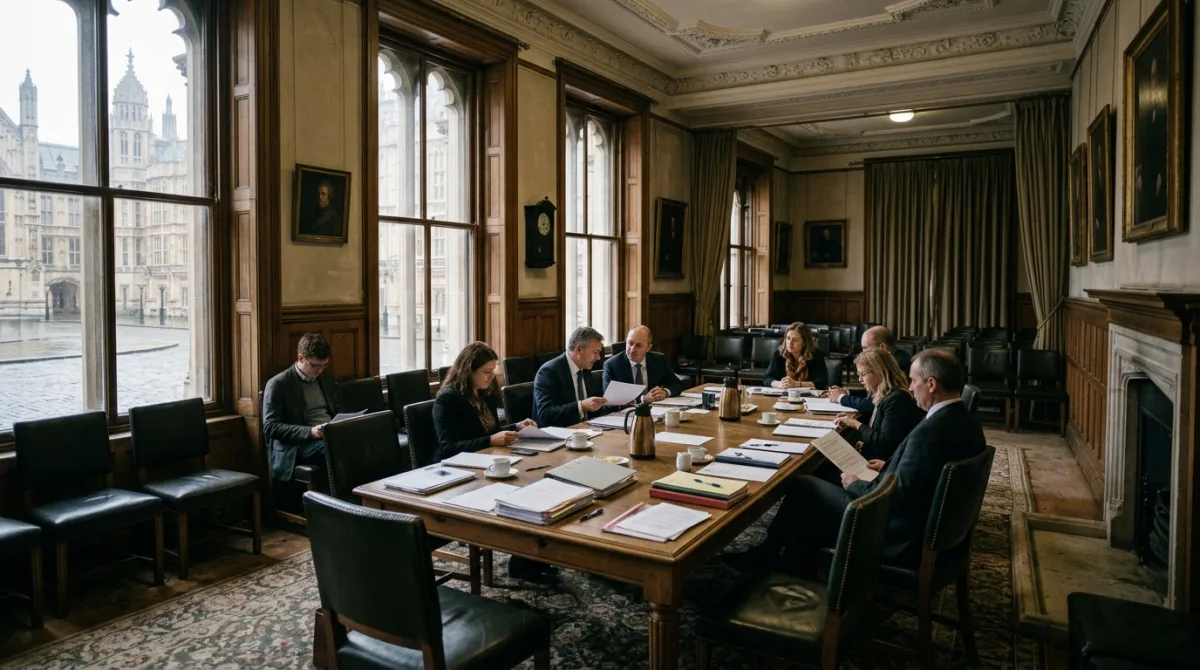
New Parliamentary Coalition Targets Government Spending
A new cross-party parliamentary bloc has formally announced its formation, declaring an intent to challenge and scrutinise the government's forthcoming comprehensive spending review. This significant gathering comprises backbench Members of Parliament from the governing party, alongside figures from various opposition parties, unified by concerns over fiscal policy. Its emergence signals a notable increase in parliamentary pressure on the Treasury's financial projections and proposed departmental allocations.
The bloc's stated aim is to advocate for adjustments to the spending plan, focusing on areas they believe are either underfunded or subject to inappropriate cuts. This development is poised to complicate the passage of the government's key financial legislation, highlighting the ongoing tension between executive policy and legislative oversight within Westminster.
Genesis of a United Front
The foundation of this parliamentary group stems from a protracted period of growing disquiet among MPs regarding the direction of public expenditure. Initial murmurs of discontent arose several months ago, following preliminary reports and informal discussions suggesting potential shifts in funding priorities across government departments. These early indications sparked apprehension among parliamentarians concerned about the impact on their constituencies.
Concerns deepened as specific departmental spending envelopes began to circulate informally, leading to a perceived lack of transparent consultation with key parliamentary select committees and individual backbenchers. This perceived opaqueness fuelled a desire among MPs for greater influence over the budgetary process. Informal meetings commenced weeks prior, bringing together a diverse array of MPs who shared a common apprehension about the long-term economic and social implications of the proposed fiscal framework.
A pivotal moment involved the circulation of a draft letter among potential members, meticulously outlining shared objectives and areas of collective concern regarding the spending review. This document served as a catalyst, formalising the nascent alliance and establishing a framework for their collective action. The finalisation of the bloc was reportedly accelerated by specific reports indicating potential reductions in funding for particular public services or a significant increase in national borrowing without clear justification, pushing disparate groups towards a unified stance.
Factors Shaping the Outcome
Several pivotal factors will determine the ultimate influence and effectiveness of the newly formed parliamentary bloc in reshaping the government's spending plan.
- Government majority: The numerical strength and internal discipline of the governing party's majority will significantly dictate its ability to resist demands for concessions. A substantial government majority, coupled with unified party support, could allow the Treasury to push through its plans with minimal alteration, whereas a smaller or more fractured majority would empower the bloc.
- Public opinion: Widespread public sentiment regarding specific spending areas, particularly those directly impacting highly valued public services, will lend considerable weight to the bloc's arguments. Organised public campaigns, alongside consistent polling data reflecting broad discontent, can exert substantial pressure on government policy and increase the political cost of ignoring parliamentary calls for change.
- Economic forecasts: Independent economic assessments from bodies such as the Office for Budget Responsibility, alongside prevailing economic conditions, will either reinforce or undermine the government's underlying fiscal narrative. Unfavourable forecasts, challenging the government's projections for growth or debt reduction, could significantly strengthen the bloc's position, providing external validation for their calls for fiscal prudence or targeted investment.
- Bloc cohesion: The diverse parliamentary bloc's capacity to maintain a united front, agree upon specific, actionable amendments, and speak with a single voice will be crucial to its impact. Internal disagreements over priorities, or the emergence of competing agendas among its constituent members, could dilute its influence and allow the government to exploit divisions.
The interplay of these elements will determine whether the bloc can force genuine modifications to the spending review or merely serve as a platform for dissenting opinion.
Impact on Public Service Providers
Public Service Providers
The government's proposed spending plan is understood to project a substantial reallocation of funds across various public sectors over the next three fiscal years. Reports indicate that some departments, particularly those responsible for local authority funding and certain cultural institutions, could experience a real-terms reduction in their operational budgets. This could have direct implications for the employment of thousands of individuals working in local government and the arts sector.
The provision of non-statutory services, such as community support programmes, adult education initiatives, and local arts funding, could see significant changes. While the precise number of affected entities and individuals remains subject to the finalisation of departmental budgets, the potential scope is considerable, affecting millions of citizens who rely on these services for well-being and community engagement. The proposed changes are broadly expected to take effect from the start of the next financial year, with implications continuing for the medium term, potentially reshaping the landscape of public service delivery.
The Case Against Fiscal Austerity
While the government asserts that its spending plan constitutes a necessary measure to ensure long-term fiscal stability and effectively manage national debt, critics within the new parliamentary bloc argue this approach is fundamentally short-sighted. They contend that the proposed reductions, or slower growth in spending, within specific public service areas risk undermining essential societal functions and could actively impede broader economic recovery in vulnerable regions. This perspective posits that the government is prioritising an abstract future solvency at the expense of immediate, tangible societal needs and critical national investment.
The government's spending plan risks dismantling crucial public services and underinvesting in the very infrastructure needed for future prosperity, all while presenting a false choice between fiscal responsibility and societal well-being.
This powerful objection highlights a profound ideological disagreement about the appropriate role of government spending, particularly during a period of economic uncertainty and recovery. It directly challenges the underlying assumptions regarding which areas of public expenditure offer the most effective return on investment for the nation, both in economic and social terms. The formation of the parliamentary bloc is, in large part, a direct and structured response to this perceived imbalance in the government's economic strategy.
Uncertainty Over Government Flexibility
Extent of Government Concessions
A significant unknown factor is the degree to which the government is prepared to negotiate with the newly formed parliamentary bloc, or indeed with its own backbenchers, regarding the specifics of the spending plan. It remains unclear whether the Treasury will offer substantive amendments to appease dissenting voices or if it intends to press ahead with its original proposals largely unamended. The ultimate flexibility of the government's position will significantly shape the legislative journey of the spending review, determining whether a compromise can be reached or if a confrontation is inevitable.
Next Steps on the Parliamentary Agenda
The newly formed parliamentary bloc is widely anticipated to publish a detailed counter-proposal or a comprehensive list of specific amendments to the government's spending review in the coming weeks. This document will serve to clarify their collective demands and provide a concrete basis for negotiation and debate, articulating precisely where they believe the government's plan falls short. Such a publication will mark a critical point in the legislative process, offering an alternative vision for national expenditure.
In response, government ministers and senior Treasury officials are expected to intensify their engagement with individual MPs and relevant parliamentary committees. This will likely involve a series of both public and private discussions, aimed at gauging the precise level of opposition and identifying potential areas for compromise. The progress of the spending plan through various parliamentary stages, including detailed committee scrutiny and a series of votes in the House of Commons, will serve as observable signals of the bloc's strength and influence. Each stage will provide a structured opportunity for debate, amendment, and potential challenges to the government's fiscal agenda.
Reader responses
Responses are read by the desk before they appear. A factual correction reaches us fastest here, and is made on the article itself with a dated note.
No responses on this report yet.