New grid upgrades face rising material costs, challenging budgets
Grid modernization projects, crucial for renewable energy integration and reliability, are encountering significant budget pressures due to escalating material costs for components like copper and steel.
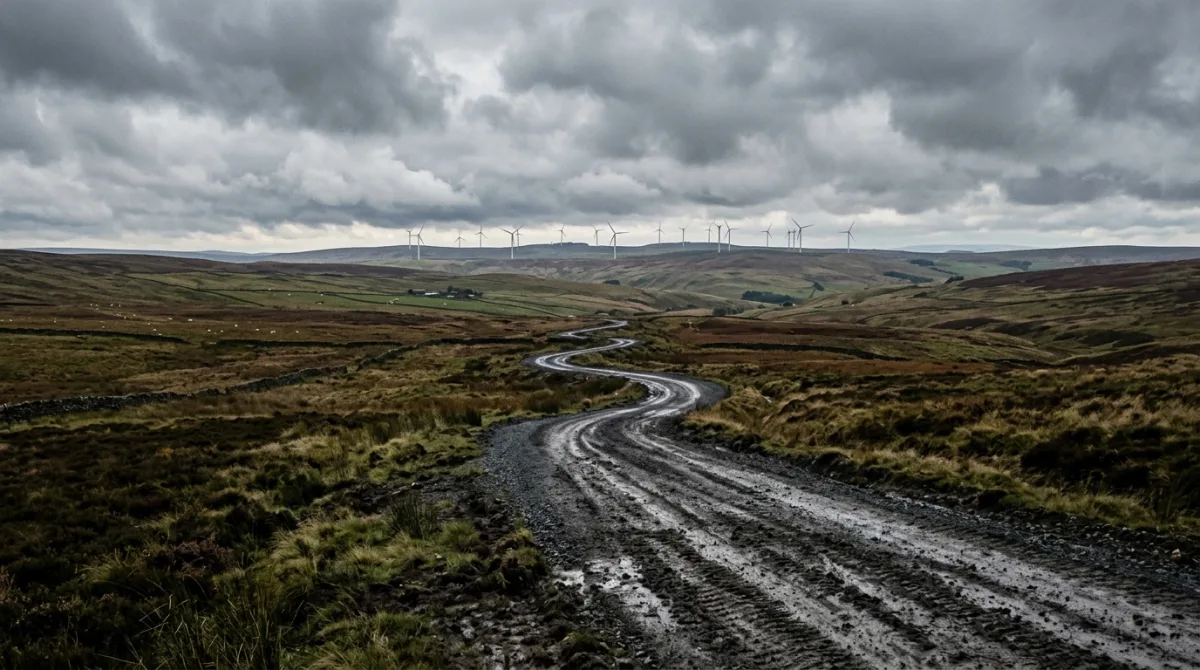
Grid Upgrades Hit by Soaring Material Costs
New grid upgrades across the United Kingdom are facing substantial budgetary pressures due to a sharp escalation in the cost of essential construction materials and high-tech components. This development threatens to complicate the rapid expansion and modernisation required for the nation's energy infrastructure.
The increased expenditure particularly impacts projects designed to integrate renewable energy sources and enhance network resilience, posing a direct challenge to the nation's decarbonisation targets.
Tracing the Rise in Expenditure
The current financial strain on grid development projects stems from a confluence of global and domestic factors unfolding over recent years. A sustained surge in worldwide demand for key raw materials, notably copper, steel, and specialised semiconductors, has driven up their market prices. These materials are fundamental to the manufacture of cables, pylons, transformers, and the advanced digital controls central to smart grid technologies.
Concurrently, ongoing disruptions within global supply chains, exacerbated by geopolitical events and lingering effects of the pandemic, have created bottlenecks and increased transportation costs for these vital components. This inflationary environment extends to manufacturing processes and skilled labour, further elevating the overall expenditure for complex engineering projects. The ambitious targets for decarbonisation and the accelerated deployment of intermittent renewable energy sources, which inherently require significant grid reinforcement and expansion, have amplified the scale of these procurement challenges.
Factors Shaping Project Feasibility
The successful navigation of these cost challenges hinges on several interconnected factors, each presenting distinct trade-offs.
- Material Market Stability: The future trajectory of global commodity prices for metals like copper and aluminium will directly influence project costs. A trade-off exists between securing long-term supply contracts at potentially higher fixed rates and delaying procurement in anticipation of market corrections, which carries its own risks of further escalation or project delays.
- Regulatory Funding Frameworks: Ofgem's approach to determining allowed capital expenditure for network operators is crucial. This involves a trade-off between ensuring consumer bills remain affordable by limiting cost pass-throughs and providing sufficient financial incentives for network companies to undertake necessary, large-scale investments in a high-cost environment.
- Strategic Project Prioritisation: Decisions on which grid upgrades receive immediate funding and attention will shape the pace of the energy transition. This requires a trade-off between addressing critical bottlenecks for existing renewable projects and building out future capacity for planned developments, balancing immediate energy security needs with long-term climate goals.
- Technological and Process Innovation: The adoption of new materials, construction techniques, or advanced digital solutions that reduce material intensity or installation time could mitigate cost pressures. This presents a trade-off between relying on established, proven engineering methods and investing in novel, potentially more cost-effective approaches that may carry higher initial development or integration risks.
The interplay of these elements will determine the feasibility and speed of delivering the required grid modernisation. Each factor introduces a complex dynamic where optimising for one aspect can create challenges for another, necessitating careful strategic balance.
Impact on Key Stakeholders
Energy Consumers
Households and businesses throughout the United Kingdom stand to be directly affected through their energy bills. Network charges, which cover the costs of building, maintaining, and upgrading the transmission and distribution infrastructure, form a component of electricity tariffs. An increase in the capital expenditure for grid projects is typically recovered over many years through these charges, potentially leading to higher costs for every consumer over the long term. The scale of this impact depends on regulatory decisions regarding cost recovery and the overall investment required.
These long-term increases, amortised over decades, ensure that the significant upfront investments are spread across the lifecycle of the infrastructure, but they do represent a persistent upward pressure on energy costs.
Grid Operators and Developers
Companies responsible for operating and upgrading the national grid, such as National Grid ESO and the various Distribution Network Operators (DNOs), face immediate financial challenges. Increased material and labour costs reduce profit margins on existing projects and complicate the financial modelling for future investments. Developers of new renewable energy projects, reliant on grid connections, may encounter extended timelines or increased connection costs, impacting their project viability and ultimately the pace of clean energy deployment.
This affects current tenders and future investment planning, potentially delaying shovel-ready projects and making new ones harder to finance without revised regulatory allowances or other support.
Government and Regulators
The Department for Energy Security and Net Zero and the energy regulator Ofgem are directly impacted in their efforts to balance multiple, often conflicting, objectives. Meeting legally binding net-zero targets requires substantial grid investment, but this must be achieved while ensuring energy security, maintaining system reliability, and protecting consumers from excessive bill increases. The rising cost environment intensifies the challenge of designing effective regulatory frameworks and policy support mechanisms that can facilitate the necessary investment without undue burden.
This represents an ongoing policy challenge, requiring continuous review of existing frameworks and potential adjustments to ensure investment keeps pace with environmental and energy security goals.
The Strategic Investment Perspective
While the immediate financial challenges posed by rising material costs are undeniable, some argue that focusing solely on these expenditures risks overlooking the broader strategic imperative and long-term economic benefits of grid modernisation. This perspective posits that the current emphasis on cost escalation might be short-sighted.
The perceived budget challenge overstates the immediate financial burden, failing to properly account for the substantial long-term economic returns and enhanced energy independence that a robust, modernised electricity grid will deliver for the nation.
Proponents of this view highlight that investing in grid infrastructure is not merely an expense but a foundational investment in future energy security, economic competitiveness, and the transition to a sustainable energy system. They suggest that the cost of inaction or delay in upgrading the grid could ultimately be far higher, in terms of missed economic opportunities, increased vulnerability to energy supply disruptions, and failure to meet climate commitments.
Uncertainty in Material Market Trajectories
Future trajectory of global material markets
A significant uncertainty revolves around how the global markets for critical raw materials will evolve over the coming years. Expert projections vary widely regarding the future prices of commodities such as copper, nickel, and rare earth elements, all vital for advanced grid components. These prices are influenced by an unpredictable mix of factors, including global economic growth, new mining discoveries, geopolitical stability, and the pace of electrification initiatives worldwide. The degree to which these material costs will stabilise, decline, or continue their upward trend remains an open question, directly impacting the long-term financial planning and feasibility of the extensive grid upgrade programme.
Observable Signals for Future Progress
Several observable signals will indicate how the United Kingdom's grid upgrade programme is adapting to the challenge of rising material costs. Future announcements from Ofgem regarding new price control periods for network operators will reveal their updated methodology for assessing and approving capital expenditure, potentially reflecting the higher cost environment. Statements from National Grid ESO and regional DNOs detailing revised project schedules, updated cost estimates for major schemes, or changes in their investment strategies will offer concrete insights into how these pressures are being managed on the ground.
Furthermore, any new policy initiatives or funding mechanisms unveiled by the Department for Energy Security and Net Zero, designed to support infrastructure investment or mitigate cost impacts, will be closely watched. Broader market reports tracking the prices of key industrial commodities will continue to provide an underlying indicator of the external pressures influencing project budgets.
Reader responses
Responses are read by the desk before they appear. A factual correction reaches us fastest here, and is made on the article itself with a dated note.
No responses on this report yet.