Government coalition faces new internal dissent over spending bill
The governing coalition is grappling with fresh internal dissent regarding a proposed spending bill. Several factions within the alliance have voiced opposition to key provisions, potentially complicating its passage.
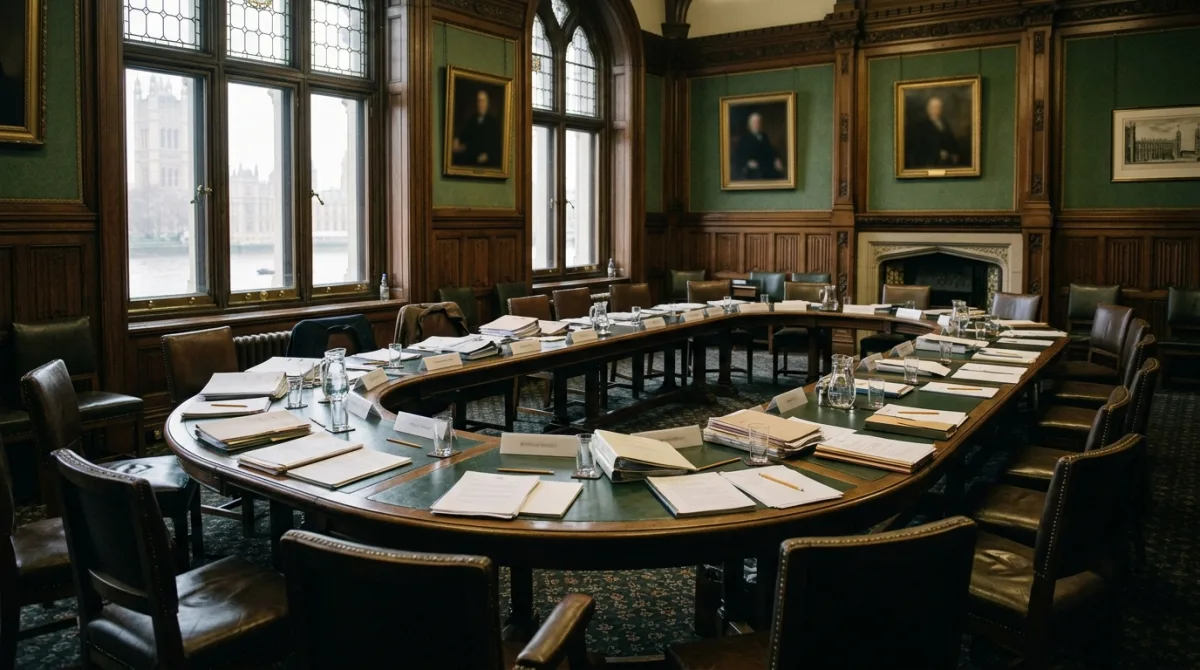
Government Spending Bill Triggers Renewed Coalition Frictions
A significant government spending bill currently undergoing parliamentary scrutiny has ignited fresh internal dissent within the ruling coalition. Backbench Members of Parliament from both constituent parties have publicly raised concerns regarding the proposed allocation of funds and the potential impact on various public services across the United Kingdom. This new wave of opposition threatens to complicate the bill's passage through its remaining legislative stages.
The objections centre on specific departmental budgets and the methodology used to determine spending priorities, with some arguing for greater investment in certain areas while others demand stricter fiscal discipline. This internal friction highlights ongoing tensions within the coalition regarding the balance between austerity measures and public service provision, challenging the government's declared unity on economic policy.
The Path to Internal Conflict
The spending bill was initially introduced following a series of fiscal commitments outlined in the coalition agreement established after the last general election. These commitments broadly aimed to stabilise national debt while also investing in key strategic areas, setting a framework that is now being tested by the specifics of this legislation. However, the particular details of the bill, developed over months of internal governmental deliberation, have proven more contentious than anticipated.
Early drafts reportedly faced considerable debate within Whitehall, with various government departments advocating for larger financial envelopes than ultimately secured in the final proposal presented to Parliament. This internal struggle for resources laid the groundwork for the current externalised dissent, as some ministers and their respective departments felt their priorities were not adequately reflected.
Furthermore, recent economic forecasts, suggesting both persistent inflationary pressures and a slower-than-expected growth trajectory, have intensified arguments from different factions within the coalition. These updated projections have either bolstered calls for more cautious spending or highlighted the need for targeted investment to stimulate the economy, thereby polarising opinions on the bill's suitability.
Public sector unions, alongside a wide array of charitable organisations and advocacy groups, have also significantly intensified their lobbying efforts in recent weeks. Their campaigns, often highlighting potential adverse effects of the bill on vulnerable populations or essential services, have added a layer of external pressure that has resonated with some backbenchers, amplifying internal concerns.
Key Factors Influencing the Bill's Fate
The ultimate fate of the spending bill hinges on several interconnected factors, each carrying substantial weight in the complex calculus of parliamentary politics. The capacity of the government whips to manage and contain potential backbench rebellions will be paramount in ensuring the legislation progresses without significant amendments that might unravel its core intentions.
- Coalition cohesion: The willingness of the junior coalition partner to either concede on contentious points or hold firm on their demands will directly influence the final shape of the legislation.
- Public perception: The anticipated public reaction to specific spending cuts or reallocations, particularly concerning highly visible services, could sway wavering MPs and embolden dissenters within the ranks.
- Economic realities: New or revised economic data, such as inflation figures or national debt updates, might either validate the government's fiscal strategy or lend credibility to arguments for alternative approaches.
- Leadership resolve: The Prime Minister's ability to assert authority and maintain party discipline, especially in the face of significant internal pressure, will be a defining factor in securing the bill's passage.
The balancing act between satisfying different factions within the governing parties, responding to public concerns, and adhering to economic constraints presents a significant challenge. Any substantial amendments or concessions could risk alienating other groups or unravelling the bill's carefully constructed financial framework, leading to further instability.
Impacts on Key Stakeholders
Public Service Sectors
Several critical public service sectors across the United Kingdom are poised to experience significant adjustments to their operational funding streams under the provisions of the proposed spending bill. Initial analyses suggest that a substantial share of non-ringfenced departmental budgets could see reductions, potentially impacting service delivery over the next three fiscal years. This anticipated shift has prompted widespread concern among stakeholders, including professional bodies and service providers.
Local authorities, already operating under considerable financial strain from previous budget cycles, face particular challenges. Councils nationwide have indicated that further cuts could necessitate difficult decisions regarding the scope and availability of statutory services, ranging from social care provision to waste management and library services. Citizens who rely on certain social support programmes and community initiatives may also experience changes to service levels or eligibility criteria, with the bill's long-term implications for regional development and employment within the public sector also under scrutiny.
The Case Against the Spending Bill
Critics of the spending bill argue forcefully that its proposed allocations and underlying fiscal philosophy fundamentally misinterpret the current economic and social needs of the country. They contend that the government's approach prioritises short-term deficit reduction over sustainable long-term investment, suggesting a disconnect between the bill's provisions and the lived experiences of many citizens.
The current spending bill risks undermining essential public services and placing an undue burden on the most vulnerable, reflecting a short-sighted approach to national finances that prioritises ideology over practical need.
Opponents further maintain that the bill’s emphasis on fiscal consolidation at this juncture overlooks the immediate necessity for targeted investment in vital infrastructure projects, educational programmes, and social welfare initiatives. They argue that such strategic spending would more effectively stimulate economic growth, improve productivity, and ultimately yield greater returns for the public purse in the medium to long term. Additionally, concerns have been raised regarding the bill's potential to exacerbate existing regional inequalities, with some areas disproportionately affected by the proposed funding models.
Uncertainties Remaining in the Legislative Process
The Extent of Potential Amendments
The precise degree to which the government will be forced to concede to dissenting voices within its own coalition, or indeed from the opposition, remains an open question. It is currently unclear how many of the publicly voiced concerns will translate into formal amendments to the bill, and which of these might garner sufficient cross-party support to be passed against the government's will. The ongoing behind-the-scenes negotiations, often involving senior party figures and whips, will be critical in shaping the final legislative text.
Furthermore, the government's ultimate willingness to compromise on specific clauses or even entire sections of the bill to secure its overall passage is yet to be fully revealed. Such concessions, if substantial, could significantly alter the bill's intended financial framework and its projected impact on public spending priorities. The balance between maintaining coalition unity and adhering to the original fiscal objectives is a delicate one, with potential ramifications for the government's credibility.
Observable Signals for the Coming Weeks
The immediate parliamentary schedule will see the spending bill progress through its detailed committee stages, where specific clauses will undergo intense scrutiny and numerous amendments are expected to be tabled. This period will be crucial for both the government and its critics to articulate their cases and attempt to influence the legislative outcome. Observers will pay close attention to the nature and volume of amendments put forward, as well as the arguments supporting them.
Signals of the government's flexibility, or lack thereof, will be sought in ministerial responses to queries and debates during these stages, particularly regarding the most contentious elements of the bill. Public statements from key backbench figures and spokespersons for the junior coalition partner will also provide indications of the strength and cohesiveness of the internal opposition, offering insight into their resolve.
The voting patterns on early or test amendments within committee will offer a tangible measure of the internal dissent's depth and the government's ability to command a majority. Any significant government defeats on these amendments would signal increased difficulty for the bill's overall passage and could prompt a re-evaluation of strategy by the leadership.
Further, sustained lobbying efforts from affected sectors and public interest groups are anticipated to continue as the legislative process unfolds, seeking to influence outcomes right up to the final vote. These external pressures, combined with the internal coalition dynamics, will shape the immediate future of the spending bill.
Reader responses
Responses are read by the desk before they appear. A factual correction reaches us fastest here, and is made on the article itself with a dated note.
No responses on this report yet.