Coalition faces new legislative hurdles over spending bill
The governing coalition faces significant legislative hurdles in passing a critical spending bill amidst growing internal dissent and opposition pressure, potentially delaying key policy initiatives.
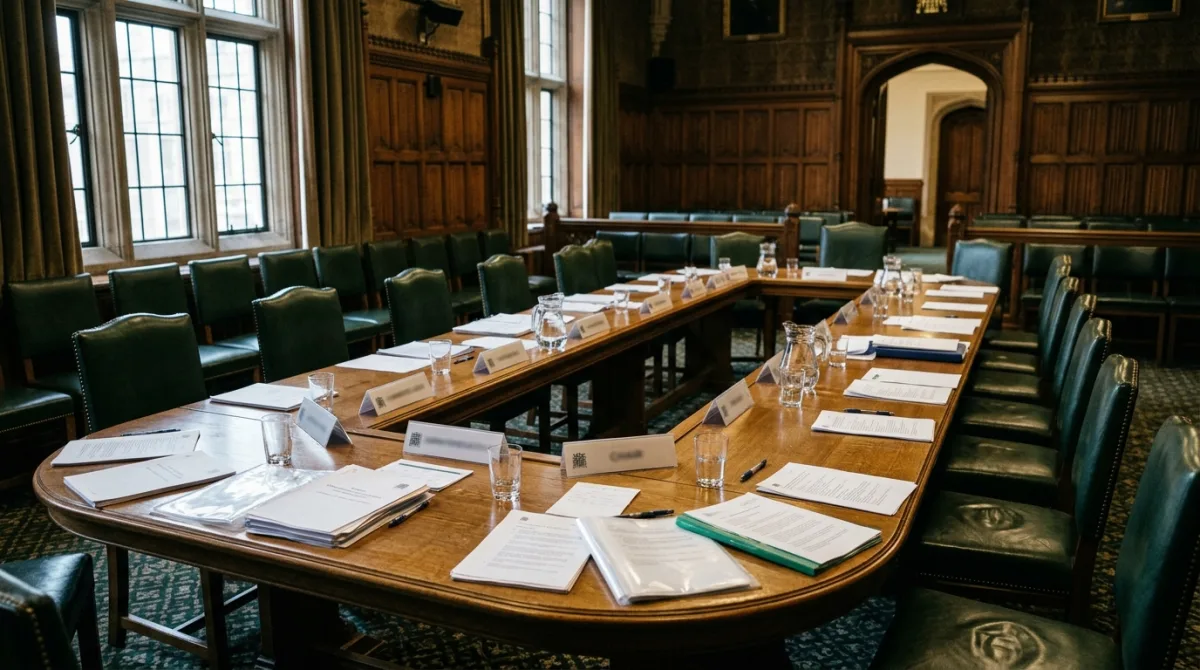
Coalition Faces New Legislative Hurdles Over Spending Bill
The government's proposed annual spending bill has encountered significant resistance in Parliament, threatening its passage and the broader legislative agenda. This resistance stems from key amendments put forward by backbenchers within the governing coalition itself, alongside strong opposition from rival parties, creating a complex legislative environment.
The current impasse has brought into sharp focus the internal tensions simmering within the multi-party alliance, raising questions about its ability to maintain discipline on critical financial matters and deliver on its announced fiscal plans. The bill, intended to fund public services and government operations for the upcoming fiscal year, now faces a prolonged and uncertain path through the legislative process, with substantial revisions appearing increasingly likely.
How the Impasse Developed
The spending bill was initially presented with the expectation of broad support, following several weeks of inter-party negotiations within the coalition that aimed to reconcile differing priorities across ministerial portfolios. However, a significant bloc of backbenchers from one of the junior coalition partners voiced concerns early on regarding specific allocations, particularly those related to regional development initiatives and environmental protection programmes, arguing for greater investment.
These internal disagreements were compounded by recent pre-budget reports suggesting tighter fiscal constraints than initially projected, leading to calls for a thorough re-evaluation of proposed departmental budgets and a reassessment of planned spending increases. Opposition parties, observing these internal rifts and sensing an opportunity, subsequently tabled a series of comprehensive amendments designed to exploit the divisions and challenge the government's economic priorities, particularly concerning social welfare provision. The initial legislative timetable, set for a swift passage before the next financial quarter, has now been abandoned, indicating a protracted debate.
Factors Shaping the Bill's Fate
The legislative outcome hinges on several critical factors shaping parliamentary dynamics and the government's capacity to govern effectively through this period of fiscal scrutiny:
- Coalition unity: The willingness of all coalition partners to compromise on contentious spending priorities, particularly regarding the balance between austerity measures and investment in public services.
- Opposition strategy: The ability of opposition parties to forge a united front on key amendments, potentially drawing over disaffected government members and forcing a substantial rewrite of the bill's provisions.
- Public sentiment: The evolving public perception of the proposed spending cuts or increases and the government's overall handling of the national economy, influencing political pressure on individual Members of Parliament.
- Economic forecasts: Any revised projections for national revenue or growth which could alter the perceived necessity of specific cuts or investments, thereby shifting the fiscal landscape upon which the bill is based.
The government's ability to secure a majority rests on its capacity to manage dissent within its own ranks while fending off concerted efforts from opposition benches to derail the legislation entirely. Trade-offs are likely to involve reallocating funds between departments, adjusting the timeline for certain spending commitments, or introducing new, targeted financial support measures to appease various factions within the parliamentary grouping. A failure to navigate these internal and external pressures could necessitate significant concessions, or in a more extreme scenario, a complete withdrawal and redrafting of the bill, potentially delaying critical public expenditure across the country.
Who is Affected
Public Services
The potential delays and amendments to the spending bill could directly impact a substantial share of public services across the country, particularly those operating on annual funding cycles and requiring certainty for forward planning. Departments responsible for health, education, and local government operations rely on the timely and predictable allocation of these funds to maintain current service levels, plan for future initiatives, and manage their workforce effectively.
A prolonged period of funding uncertainty might lead to a freeze on new hiring, delays in essential procurement of supplies and equipment, and a general deferment of non-essential projects and upgrades over the coming financial year, affecting service delivery to millions of citizens. Local authorities, in particular, often operate on tight budgets and depend heavily on central government grants to deliver a wide array of statutory services. Any revision or delayed distribution of these grants could significantly affect the provision of community support programmes, social care services, waste management, and local infrastructure maintenance in numerous regions. Citizens relying on these critical services could experience direct impacts, such as reduced service frequency or availability, although the full extent would depend on the duration of the legislative impasse and the nature of any final amendments agreed upon by Parliament.
The Case Against the Bill's Current Form
Critics argue that the government's approach to the spending bill, particularly its initial framing of certain budgetary priorities, demonstrates a profound disconnect from the immediate needs of the public and the economic realities faced by many households. They contend that the proposed allocations fail to adequately address rising costs of living, do not invest sufficiently in areas crucial for long-term economic stability, and disproportionately impact vulnerable communities already under financial strain.
The government's spending bill prioritises fiscal consolidation over essential public investment and support for struggling households, leading to its current parliamentary difficulties and failing to address genuine national needs.
This perspective suggests that the coalition's internal struggles are not merely a matter of political wrangling over minor details, but a symptom of fundamental policy disagreements regarding the appropriate role of government spending in a challenging economic climate. The argument is that a more balanced, socially responsive, and economically judicious bill, one that genuinely tackles the concerns of ordinary people, might have garnered broader support, both within the coalition and from the wider public, thereby avoiding the current legislative gridlock and ensuring smoother passage through Parliament.
What is Not Yet Known
The Scope of Concessions
It remains uncertain how extensive the government's concessions will be to secure passage of the spending bill, or which specific areas of expenditure will ultimately bear the brunt of any revised allocations. Whether the coalition will prioritise appeasing its internal dissenters from within its own parliamentary ranks, or instead seek broader cross-party agreement through significant amendments to its core proposals, is a key open question that will shape the final legislation. The potential for a significant shift in departmental funding, or the introduction of new, substantial financial relief measures, as demanded by some backbenchers and opposition groups, is currently undefined and subject to ongoing negotiations and debate. The long-term implications for the government's fiscal policy direction and its commitment to previously announced initiatives also hang in the balance.
Observable Signals for the Path Forward
The immediate focus will be on the scheduled committee stages in Parliament, where the spending bill will undergo clause-by-clause scrutiny and further amendments are expected to be tabled by both government backbenchers and opposition parties. Observers will be watching for any signs of movement from the government side, particularly regarding proposed compromises on contentious spending areas such as public sector pay, welfare benefits, or large-scale infrastructure projects.
Statements from key coalition figures, especially those from the junior partners and influential backbench committees, will be closely analysed for indications of a unified front or continued internal disagreement over the bill's direction and priorities. The timing and outcome of any votes on significant amendments, particularly those challenging core government proposals, will provide an observable signal of the bill's trajectory through the legislative process, indicating whether a consensus is forming or if further delays are inevitable before a final vote.
Reader responses
Responses are read by the desk before they appear. A factual correction reaches us fastest here, and is made on the article itself with a dated note.
No responses on this report yet.