New lab findings strengthen link to gut-brain axis
New research provides further evidence of a direct connection between gut microbiota and brain function, with specific microbial metabolites shown to influence neural activity.
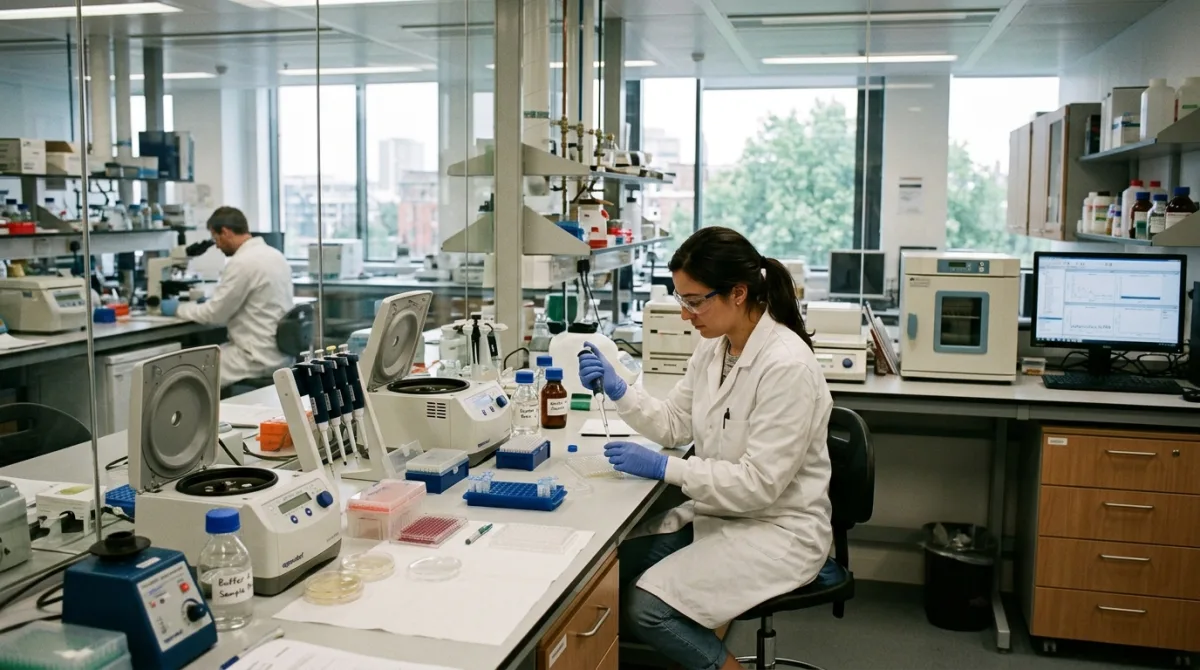
New Laboratory Research Bolsters Gut-Brain Axis Understanding
New laboratory research has provided more robust evidence for the intricate connection between the gut microbiome and neurological function, often termed the gut-brain axis. These findings deepen the scientific understanding of how gut bacteria may directly influence brain chemistry and behaviour, moving beyond mere correlation observed in earlier studies.
The recent investigations, primarily conducted in controlled experimental models, have identified specific microbial metabolites and neural pathways that appear to facilitate this communication. This development marks a significant step in clarifying the biological mechanisms underlying a relationship long hypothesised but not fully elucidated.
Tracing the Path to Deeper Insights
The current understanding of the gut-brain axis has evolved over several decades, initially stemming from clinical observations of gastrointestinal issues often co-occurring with mood disorders. Early animal studies in the late 20th century began to offer preliminary indications, demonstrating altered brain function in germ-free mice compared to those with a normal microbiome.
The advent of advanced sequencing technologies in the early 2000s allowed researchers to comprehensively characterise the vast diversity of the gut microbiome, leading to a proliferation of correlational studies linking specific microbial compositions to various neurological and psychiatric conditions. This period saw a surge in hypotheses about microbial influence on neurotransmitter production, immune regulation, and gut barrier integrity.
The latest wave of research, culminating in these new findings, has shifted focus from mere association to exploring causality within controlled systems. Scientists have employed sophisticated techniques, including organoid models and targeted microbial transplantation in animals, to isolate and manipulate specific gut-derived signals. This approach has permitted the identification of particular bacterial species and their metabolic byproducts, such as certain short-chain fatty acids, as potential direct communicators with the host's nervous system, providing a more concrete mechanistic foundation for the gut-brain link.
Factors Shaping Future Progress
The ultimate impact and translation of these findings will hinge on several critical factors within the scientific and medical communities.
- Replication success: Independent laboratories must successfully reproduce these intricate experimental results to validate the identified microbial pathways and metabolites, building collective confidence in the findings.
- Model relevance: The degree to which findings from simplified animal models or in vitro systems accurately reflect the complex human physiological environment remains a significant challenge, requiring careful comparative studies.
- Mechanism clarity: A comprehensive understanding of the precise molecular and cellular mechanisms, including the specific receptors and neural circuits involved, is necessary for designing targeted and effective interventions.
- Intervention feasibility: Developing practical and safe methods to modulate the gut microbiome in humans, whether through diet, prebiotics, probiotics, or microbial transplantation, presents substantial technical and regulatory hurdles.
Each of these factors represents a complex interplay of scientific rigour, technological innovation, and ethical considerations, collectively determining the trajectory from laboratory discovery to potential clinical application.
Potential Impact on Key Groups
Researchers in neuroscience and microbiology
The findings are expected to significantly influence research priorities, potentially redirecting substantial grant funding towards interdisciplinary projects exploring the gut-brain axis. Academic departments may see an increase in recruitment for specialists at the intersection of microbiology, immunology, and neurology, fostering new collaborative consortia over the next three to five years. This shift could accelerate the publication rate of mechanistic studies, expanding the foundational knowledge base.
Conferences and scientific journals are likely to feature a greater proportion of studies detailing specific microbial communication pathways, potentially influencing the career trajectories of early-career researchers entering these fields. The demand for advanced analytical techniques, such as metabolomics and neuroimaging, is also anticipated to grow, requiring investment in new research infrastructure.
Patients with neurological and mental health conditions
While direct clinical benefits are not immediate, these strengthened findings offer renewed hope for patients suffering from conditions such as anxiety, depression, Parkinson's disease, or autism spectrum disorders, where gut-brain dysregulation has been implicated. The research lays groundwork for the long-term development of novel diagnostic markers and therapeutic targets that address root causes rather than just symptoms.
It is estimated that the earliest potential for new, targeted interventions based on these specific mechanisms would be several years away, likely five to ten years for early-phase clinical trials. Any immediate impact for patients will be limited to ongoing observational studies or carefully managed dietary interventions, rather than new pharmaceutical options.
The pharmaceutical and biotech industries
These developments are likely to stimulate increased investment in pharmaceutical and biotechnology companies focusing on microbiome-based therapies and diagnostics. Venture capital funding for start-ups exploring novel probiotic strains, microbial consortia, or faecal microbiota transplantation methods could see a noticeable uptick over the next two to four years.
Major pharmaceutical companies may establish new research divisions or acquire smaller biotech firms specialising in this area, anticipating the long-term potential for new drug classes. The regulatory landscape for microbiome products is still evolving, which presents both opportunities and challenges for product development timelines and market access.
Acknowledging the Limitations
While these new findings contribute significantly to the understanding of the gut-brain axis, it is crucial to temper expectations regarding immediate clinical applications. The leap from controlled laboratory conditions to complex human physiology presents formidable challenges that remain largely unaddressed by the current research.
Despite the promising nature of these new findings, some researchers caution that the complexity and variability of the human microbiome make definitive causal links and therapeutic interventions exceedingly difficult to establish reliably outside of controlled laboratory conditions.
The human gut microbiome is an incredibly diverse and dynamic ecosystem, influenced by countless variables including diet, genetics, lifestyle, medication use, and geographical location. This inherent variability means that findings from a single lab model or even a cohort of individuals may not be universally applicable, making it difficult to isolate specific microbial effects from numerous confounding factors. Furthermore, ethical considerations preclude the same level of invasive manipulation in human subjects that is possible in animal or in vitro studies, limiting the direct experimental validation of causal pathways in people.
Unanswered Questions Persist
The precise mechanisms of cross-talk
Despite advances, the exact molecular and cellular language through which the gut and brain communicate remains largely uncharted territory. While certain microbial metabolites like short-chain fatty acids or specific neurotransmitter precursors have been implicated, the full spectrum of signaling molecules is not yet known. Researchers are still working to identify all the specific receptors on neural cells that respond to these microbial signals, and how these interactions translate into changes in brain function.
Similarly, the role of the immune system as an intermediary, and the precise neural pathways (e.g., vagus nerve, spinal cord afferents) that transmit signals from the gut to the central nervous system, require more detailed mapping. Understanding how these diverse communication channels integrate and potentially vary between individuals or in different disease states is a complex, open question that needs substantial further investigation.
Observable Signals for the Future
Over the coming months and years, several observable signals will indicate the trajectory of this research area. Expect to see an increase in published peer-reviewed articles detailing replication studies and further mechanistic investigations in leading scientific journals. Major funding bodies, such as the Medical Research Council and the Wellcome Trust, may announce specific calls for proposals focused on gut-brain axis research, indicating a strategic investment in the field.
Early-phase clinical trials (Phase 0 or I), registered on platforms like clinicaltrials.gov, might begin to emerge, exploring the safety and preliminary efficacy of targeted microbiome interventions for neurological conditions. Additionally, collaborations between academic institutions and pharmaceutical companies, often announced through press releases or scientific conferences, will signal the commercial sector's growing interest and commitment to translating these laboratory findings into practical applications.
Reader responses
Responses are read by the desk before they appear. A factual correction reaches us fastest here, and is made on the article itself with a dated note.
No responses on this report yet.