New lab findings hint at cell regeneration mechanism
New laboratory research suggests a previously unknown pathway involved in cellular regeneration, observing how specific molecular interactions may facilitate tissue repair and renewal processes.
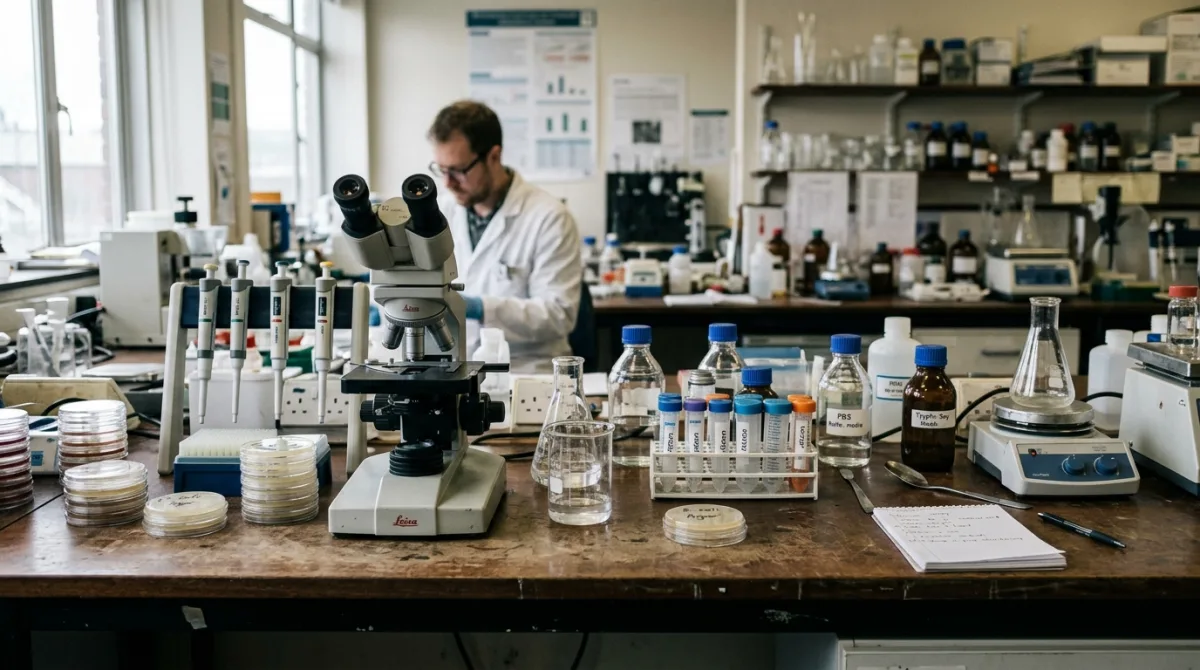
Molecular Switch Identified in Cellular Repair
New laboratory research has identified a specific molecular pathway that appears to influence the regenerative capabilities of certain cell types, potentially offering a clearer understanding of how damaged tissues might repair themselves. The study points to a previously unrecognised mechanism involved in cellular self-renewal, observed under controlled experimental conditions.
These findings suggest that a particular protein complex acts as a regulatory switch, either promoting or inhibiting the division and specialisation of cells crucial for tissue maintenance. The work represents an incremental step in deciphering the intricate biological processes underlying regeneration, a field with substantial ongoing investigation.
Unravelling the Regenerative Sequence
The investigation commenced with observations of unexpected cellular behaviour in cultures derived from specific mammalian tissues, where cells demonstrated an unusual resilience to induced damage. Researchers initially focused on mapping gene expression patterns within these resilient cells, noting a distinctive upregulation of genes associated with cellular stress responses and repair.
Subsequent experiments involved systematically silencing individual genes within the identified pathway to ascertain their precise roles. This process revealed that manipulating a particular gene significantly altered the cells' capacity for proliferation and differentiation, directly impacting their ability to replace damaged counterparts. Further biochemical analyses then isolated the protein complex responsible for mediating these observed genetic effects, confirming its influence on a specific signalling cascade within the cells.
Key Determinants for Future Progress
The potential for these laboratory findings to translate into broader biological or clinical applications hinges on several critical factors, each presenting its own set of challenges and trade-offs.
- Replicability: Independent research groups must successfully reproduce these findings in diverse laboratory settings to establish the robustness and generality of the identified mechanism.
- Specificity: Determining whether the regenerative pathway operates uniformly across various cell types and tissues, or if its activity is highly specific, will influence its potential range of application versus targeted efficacy.
- Safety Profile: Any attempt to modulate this pathway in a living organism would require extensive research into potential off-target effects, balancing regenerative benefits against risks of uncontrolled cell growth or immune reactions.
- Delivery Mechanism: Developing a method to precisely activate or inhibit this molecular switch within specific tissues of a complex organism, without affecting other vital processes, presents a significant technological hurdle.
These factors collectively shape the trajectory of this research, guiding decisions on resource allocation and experimental design as the scientific community seeks to build upon the initial laboratory observations.
Potential Impact on Health and Research
Individuals with Tissue Damage
Should these preliminary findings eventually lead to therapeutic strategies, individuals suffering from a range of conditions involving tissue degeneration or injury could potentially benefit. This includes those recovering from severe burns, spinal cord injuries, or organ damage caused by disease or trauma. The timeline for such developments is typically measured in decades, involving extensive pre-clinical and clinical trials.
While the precise number of affected individuals is substantial, estimates suggest millions globally experience chronic conditions stemming from inadequate tissue repair. Any advancement in enhancing the body's natural regenerative capacity could significantly improve long-term outcomes, reducing reliance on invasive surgeries or lifelong supportive care.
Biomedical Research Community
The immediate impact is on the biomedical research community, which gains new avenues for investigation into fundamental cellular processes. This finding provides a novel molecular target for studies on ageing, disease progression, and development, potentially redirecting or intensifying research efforts in specific areas of regenerative medicine. The intellectual capital generated from such discoveries often fuels subsequent waves of innovation.
Academic institutions and pharmaceutical companies may increase investment in related molecular biology and cell signalling research. This intellectual shift could lead to a proliferation of new grants, research programmes, and collaborative projects aimed at further characterising the identified pathway and exploring its therapeutic potential, long before any direct patient benefit is realised.
Addressing the Translational Gap
While the laboratory findings are intriguing, a significant challenge lies in translating observations from isolated cell cultures into effective treatments for complex biological systems. The controlled environment of a petri dish often simplifies cellular interactions in ways that do not reflect the intricate regulatory networks found within a living body.
The identified molecular mechanism, while promising in vitro, may behave entirely differently or be overridden by other biological processes within the physiological complexity of a living organism.
The human body possesses multiple layers of redundant and compensatory mechanisms that can either dampen or alter the effects seen in a simplified laboratory setting. Factors such as systemic inflammation, hormonal influences, vascular supply, and immunological responses are incredibly difficult to replicate in current laboratory models, yet they play a crucial role in determining regenerative outcomes in vivo. This 'translational gap' represents a substantial hurdle for any early-stage biological discovery.
The Enigma of Natural Activation
The Triggers for Endogenous Regeneration
A central unanswered question revolves around the precise environmental or internal cues that naturally activate this newly identified regenerative pathway within an organism. While the laboratory study demonstrated that specific experimental manipulations could trigger the mechanism, the conditions under which the body itself initiates or suppresses this process remain largely unknown. Understanding these natural triggers is vital for developing therapies that could harness the body's inherent regenerative abilities without external, potentially invasive, intervention. Research must now focus on identifying these endogenous signals and the broader physiological context in which they operate.
Future Observational Signals
The scientific community will observe several signals to gauge the progression and significance of these initial findings. The first will be the publication of independent studies that either corroborate or challenge the current research, particularly those employing different cell lines or experimental designs. Evidence of the same molecular pathway operating in a wider array of tissues or species would lend considerable weight to its biological relevance.
Further signals would include the initiation of studies in more complex animal models, moving beyond cell cultures to investigate the pathway's function in living organisms. Increased grant funding allocated to projects specifically investigating this mechanism or related regenerative pathways would also indicate growing scientific confidence and interest. These developments would collectively suggest a gradual movement from foundational discovery towards potential preclinical investigation.
Reader responses
Responses are read by the desk before they appear. A factual correction reaches us fastest here, and is made on the article itself with a dated note.
No responses on this report yet.