Coalition partners reach accord on budget spending limits
Government coalition partners have successfully negotiated and agreed upon new limits for budget spending, concluding weeks of intense discussions and bringing stability to fiscal planning.
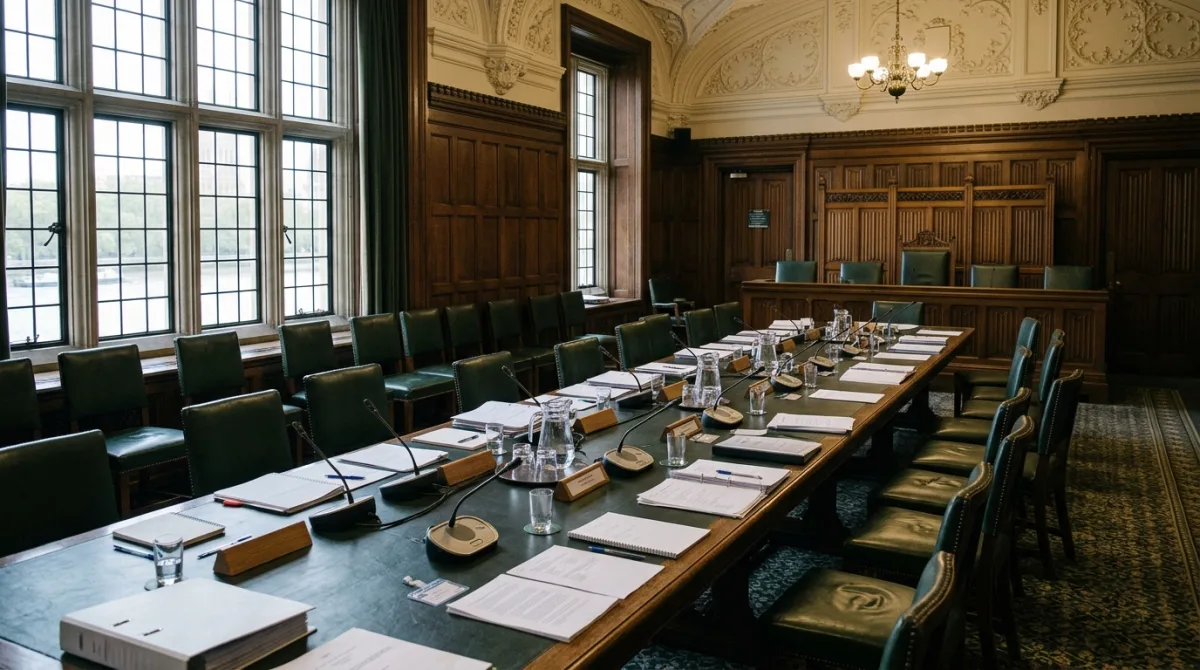
Coalition Fiscal Agreement Reached
The governing coalition has announced a breakthrough agreement on the overall limits for public spending in the forthcoming financial year. This accord follows weeks of intense, often fraught, negotiations between the constituent parties, averting a potential stalemate on fiscal policy and ensuring the continuation of the legislative agenda. The agreement establishes the comprehensive parameters within which individual departmental budgets will now be allocated, providing a fundamental framework for the detailed spending plans and the upcoming parliamentary budget presentation.
This resolution marks a significant moment for the multi-party government, demonstrating its capacity to navigate deep-seated disagreements on economic priorities. It signals a move forward from a period characterised by political tension and public speculation regarding the stability of the alliance, offering clarity on the direction of national finances.
Path to Compromise
Discussions on the budget framework began several months ago, immediately following the last general election which resulted in a hung parliament and the formation of the current coalition government. From the outset, the constituent parties presented differing visions for the nation's economic future, reflecting their distinct electoral mandates and core policy commitments.
Early proposals from the senior coalition partner reportedly focused on significant fiscal consolidation, advocating for stringent cuts across most government departments to reduce the national debt. Conversely, the junior partner consistently championed sustained investment in public services, particularly in areas such as healthcare and education, to address perceived shortfalls and support economic recovery.
The initial divergence in priorities led to a series of high-level meetings that frequently stalled, with both sides publicly reiterating their core demands and expressing concerns about the other's intransigence. Reports indicated a particular sticking point revolved around the balance between tax revenue generation and public expenditure, with each party favouring different approaches to stimulate growth.
A recent deadline for the submission of preliminary spending figures to the Treasury reportedly intensified efforts, precipitating all-night sittings and bilateral talks between the party leaders and their chief negotiators. The pressure mounted significantly as the prospect of a delayed budget or, more critically, a collapse of negotiations, became a tangible threat to government stability.
The final agreement emerged after a compromise package was brokered, balancing revenue projections with a commitment to addressing key policy objectives of both parties, albeit with some adjustments. This involved a careful calibration of spending increases in some areas against reductions in others, alongside a revised outlook on projected government income.
Shaping the Fiscal Framework
The accord reached between the coalition partners was shaped by a confluence of factors, each requiring careful consideration and negotiation:
- Fiscal Headroom: The prevailing economic forecast, encompassing projections for growth, inflation, and public borrowing, significantly constrained the total available funds, compelling both parties to accept tighter overall limits than initially desired.
- Party Mandates: The distinct core electoral promises of each coalition partner, particularly regarding welfare spending and tax policy, had to be reconciled through substantial concessions from both sides to maintain political credibility.
- Political Survival: The ever-present risk of the coalition fracturing over intractable budgetary disagreements exerted immense pressure on leaders, prioritising government stability over maximal policy gains for either party.
- Public Opinion: Recent polling indicating strong public concern over both the national debt and the perceived state of public services influenced the final shape of the agreement, pushing for a perceived balance between fiscal prudence and social investment.
These four factors collectively shaped the parameters of the agreement, demonstrating the complex interplay of economic reality, distinct political ambition, and the imperative for stable governance. The final figures reflect not just financial calculations but a deep dive into political calculus and the art of the possible within a constrained environment.
The trade-offs involved illustrate the inherent constraints in governing within a coalition framework, where no single party can fully implement its original agenda without significant modification. Each partner had to weigh the benefits of securing some policy wins against the costs of conceding on others, all while maintaining a credible front of unity.
Impact on Public Services and Workforce
Public Sector Workers and Service Users
The agreement on spending limits will directly impact hundreds of thousands of public sector employees across various government departments and agencies, from healthcare professionals to educators and local government staff. The overall cap suggests a continuation of tight fiscal discipline, potentially affecting pay negotiations, recruitment levels, and the scope of services delivered over the next two to three financial years.
Unions representing these workers have already expressed concerns that the limits may lead to real-terms pay freezes or reductions in staffing, following a period of sustained pressure on public services and rising living costs. Any significant reduction in staffing or resources could directly translate into increased workloads for existing personnel and potential challenges in service delivery.
Beyond the workforce, the agreement will also affect millions of citizens who rely on publicly funded services. While the specifics are pending, a tighter fiscal environment could mean longer waiting times for certain medical procedures, reduced availability of social care provisions, or fewer community programmes offered by local authorities.
The impact will likely vary by sector and region, with some areas facing more stringent controls than others, depending on where the final departmental cuts or investments are directed. Vulnerable populations, often disproportionately reliant on public support, may experience the most significant changes in the accessibility and quality of essential services.
The Case Against the Limits
While the coalition agreement is presented by government spokespersons as a necessary compromise for fiscal stability and responsible economic management, critics from across the political spectrum argue that the announced spending limits do not adequately address the nation's pressing needs. They contend that the focus on deficit reduction comes at too high a cost to societal well-being and future prosperity.
The budget spending limits, while offering a semblance of political unity and fiscal responsibility, fail to provide the necessary investment to prevent further deterioration of vital public services, risk exacerbating social inequalities, and ultimately undermine the long-term economic resilience of the country.
Opposition parties and various advocacy groups contend that the agreed figures represent a short-sighted approach, prioritising immediate financial targets over long-term societal well-being and critical infrastructure development. They point to existing pressures on the NHS, educational attainment gaps, and the ongoing climate crisis as areas requiring more, not less, public funding.
Concerns have been raised that underfunding could lead to increased waiting lists in healthcare, reduced educational provisions, and a strain on local authority services, impacting the most vulnerable citizens disproportionately. These critics suggest that the government is postponing difficult decisions, potentially creating greater financial burdens in the years to come.
Unresolved Questions and Future Projections
Detailed Departmental Allocations and Economic Impact
The most significant unknown remains the specific allocation of funds to individual government departments following the overarching agreement on spending limits, a detail that will truly determine the practical implications of the accord. While the total budget envelope is now fixed, the internal competition for resources among ministries, from health and education to defence, infrastructure, and social welfare, is expected to be intense and politically charged.
Decisions on which departments will face cuts and which might secure modest increases will reveal the true policy priorities of the coalition and the extent of the compromises made by each partner beyond the headline figures. This internal negotiation phase is often as complex as the initial cross-party agreement, involving intense lobbying and strategic positioning by departmental secretaries and their teams.
Furthermore, the precise economic impact of these spending limits over the coming years is not yet fully quantifiable. While the government projects a path to greater fiscal stability, independent economic forecasts will offer alternative perspectives on how the constraints might affect growth, employment, and inflation across different sectors of the economy.
The long-term effects on public service delivery, social equity, and national productivity will only become apparent as the budget is implemented and its consequences unfold across various societal domains. Understanding these broader ramifications requires detailed analysis of the granular spending decisions still to be made.
The Road Ahead for the Budget
The immediate next step involves the Treasury initiating intensive bilateral discussions with individual departmental ministers and their permanent secretaries to finalise their specific spending plans within the newly agreed limits. This process, typically conducted behind closed doors, is fundamental for translating the broad budgetary accord into actionable governmental policy and service provision.
This internal negotiation is expected to involve robust arguments as each department attempts to secure the best possible settlement for its portfolio, often highlighting critical service needs or strategic investment opportunities. The outcomes of these discussions will directly shape the operational capabilities and priorities of government functions nationwide.
The government will then prepare the full budget document, detailing all revenue and expenditure forecasts, for parliamentary scrutiny and debate, where it will face detailed examination by select committees and the wider House of Commons. This formal presentation will be followed by a period of rigorous legislative process, including votes on the various financial bills required for implementation.
Public and media attention will predictably shift towards identifying the specific winners and losers from the departmental allocations once those figures are made public, likely sparking considerable public discourse and analysis. Any significant deviations from established policy directions or unexpected cuts in politically sensitive areas are likely to prompt further debate and political challenge from opposition benches and civil society groups.
Beyond the immediate legislative process, the coalition will need to demonstrate continued unity in the face of ongoing economic challenges and potential public discontent arising from the budget's effects. The capacity of the partners to maintain cohesion will be continually tested as the practical implications of their agreement become more tangible.
Reader responses
Responses are read by the desk before they appear. A factual correction reaches us fastest here, and is made on the article itself with a dated note.
No responses on this report yet.