Digital content creator pay models see significant revision
Creator pay models are undergoing a significant overhaul as platforms adjust compensation structures, reflecting a shift in how digital content is valued and monetized. This impacts earnings across various creator tiers.
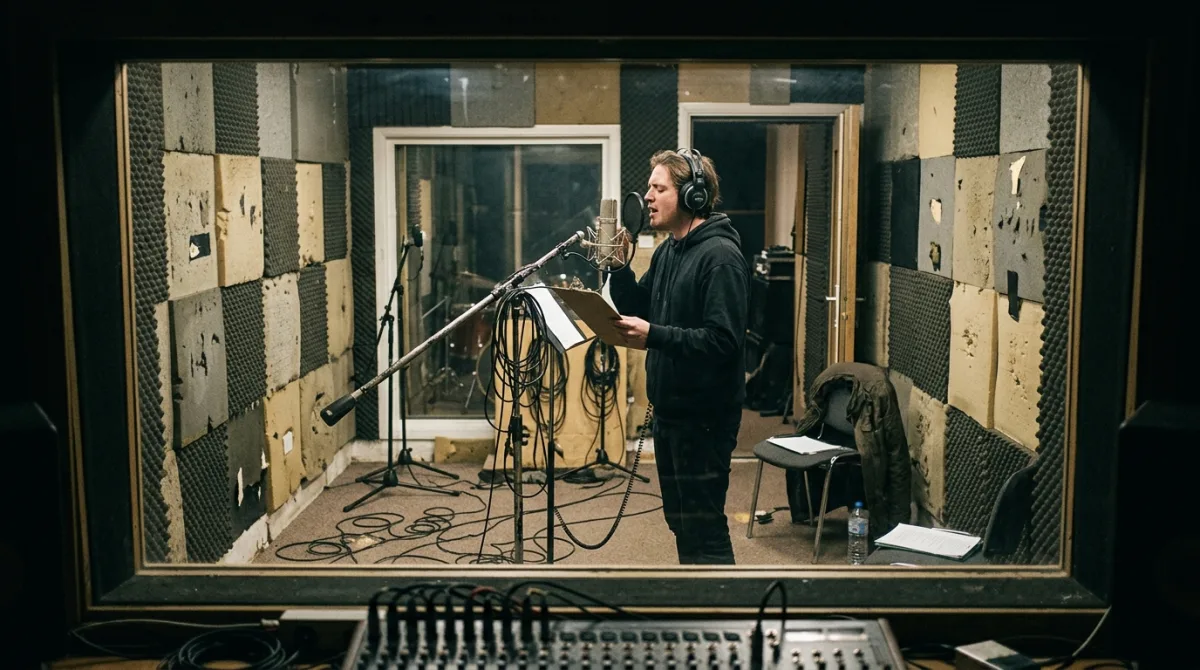
Shifting Sands for Digital Content Creators
Digital content platforms across various sectors are implementing substantial changes to how they compensate creators for their work. These revisions mark a significant departure from traditional advertising-revenue-sharing models, introducing greater emphasis on direct audience contributions and engagement metrics. The shift aims to foster more sustainable income streams for creators while aligning platform incentives with deeper user interaction and loyalty.
This widespread recalibration affects a broad spectrum of online content, from video and podcasts to written articles and live streams, fundamentally altering the economic landscape for millions of independent producers. The changes reflect a maturing digital economy grappling with the challenges of consistent monetisation and creator retention.
From Ad-Share to Direct Support
For over a decade, the primary method of remuneration for many digital creators involved a share of advertising revenue generated from their content, directly tied to views and clicks. This system, while fuelling rapid growth in content creation and platform expansion, proved increasingly volatile and unpredictable for a substantial number of creators. Advertisers grew more cautious about brand safety and content alignment, while the widespread adoption of ad-blocking technologies further eroded potential earnings and stability for content producers.
These challenges prompted platforms to explore and implement diverse alternative funding mechanisms, including direct subscriptions, tiered fan memberships, and integrated tipping features. This diversification reflects a broader industry move towards fostering more creator-centric economies, aiming for resilient monetisation strategies that provide more consistent income streams and greater financial predictability for talent within their ecosystems.
The Drivers of Change
The success and widespread adoption of these revised pay models hinge on several interconnected factors, each presenting distinct trade-offs that profoundly affect platforms, creators, and the audiences who consume their content. These dynamics will ultimately determine which models gain traction and reshape the economics of digital media.
- Platform strategy: Each platform's strategic decision to prioritise long-term creator retention and deeper user engagement over immediate, broad advertising revenue heavily influences the generosity, transparency, and accessibility of its new payment options.
- Audience behaviour: The willingness of viewers and listeners to directly pay for content they once accessed freely, either through subscriptions or one-off donations, dictates the overall financial viability for creators utilising these novel monetisation models.
- Regulatory landscape: Evolving government oversight, particularly concerning platform responsibilities, data privacy, and digital taxation across different jurisdictions, could impose new standards on how these payment models are structured and communicated to all stakeholders.
- Creator leverage: The collective ability of influential creators to negotiate more favourable terms, demand greater transparency, or credibly threaten migration to competing platforms forces existing services to offer compelling and competitive remuneration packages.
These factors collectively create a highly dynamic and responsive environment where continuous adjustments are expected as all stakeholders, from multinational corporations to individual content producers, adapt to the new economic realities of digital content creation and consumption.
Impact on Independent Creators
Independent Creators
Smaller and mid-tier independent creators, who often relied heavily on the broad reach and passive income generated from traditional ad revenue, are now experiencing significant income instability and pressure. This affects a substantial share of the vast creator economy, forcing many to actively diversify their income streams beyond content creation or risk abandoning their creative pursuits altogether due to unsustainable earnings. Their entrepreneurial ability to convert casual, ad-supported viewers into paying members or subscribers is now a direct and often immediate determinant of their financial sustainability.
Conversely, larger, more established creators with highly engaged fanbases are frequently better positioned to capitalise on these direct payment models, often seeing higher per-engagement revenue. They can effectively leverage their existing community to generate substantial income through subscriptions, tiered memberships, and direct donations, though this demands increased effort in community management, content strategy, and the consistent delivery of exclusive offerings. This group, while representing a smaller proportion of the total creator pool, frequently accounts for a disproportionate share of platform engagement and overall monetisation.
The Challenge of Creator Entrepreneurship
While these revised payment models are often presented as a solution for enhanced creator sustainability and empowerment, they simultaneously introduce new complexities and significant financial burdens for content producers. The pervasive narrative of creators gaining more control over their income often overlooks the substantially increased entrepreneurial demands now placed upon them.
These revised pay models often shift the financial risk directly onto creators, demanding greater entrepreneurial effort and increasing the pressure to convert passive viewers into paying subscribers.
This fundamental shift can exacerbate existing inequalities within the creator economy, disproportionately favouring individuals with strong marketing, business acumen, and community management skills over those whose primary strength lies solely in content creation. It also requires creators to actively cultivate and retain paying audiences, a demanding and time-consuming task that inevitably diverts significant resources and focus away from actual content production itself.
The Question of Audience Willingness to Pay
Long-term Audience Engagement
The fundamental extent to which audiences will consistently adopt and sustainably maintain direct payment models for digital content remains an open question for platforms and creators alike. It is currently unclear if a broad demographic is willing to regularly pay for content that was previously ad-supported or freely available, beyond a niche of highly dedicated and affluent fans. This uncertainty suggests the market may increasingly bifurcate, with some content remaining free and ad-funded, while other, perhaps more niche or premium, offerings transition successfully to subscription or patronage models, creating a complex and stratified new viewing landscape.
Future Signals in the Digital Landscape
Platforms are expected to continue their intensive experimentation with various new monetisation tools, closely observing both creator uptake rates and audience spending patterns across diverse content categories. This iterative process will involve refining existing features, sunsetting underperforming options, and introducing novel mechanisms to optimise revenue for both the platform and its diverse ecosystem of creators. Competitors will closely monitor these developments, swiftly adapting their own offerings to attract and retain vital talent and viewers in an increasingly dynamic and competitive digital media landscape.
Furthermore, the evolving economic landscape may lead to the emergence or strengthening of creator unions or advocacy groups, pushing for greater transparency in payment structures, more equitable revenue shares, and fairer contractual terms in these rapidly evolving arrangements. The industry will likely see further consolidation among platforms or increased specialisation, with services either catering to specific content niches or offering a broad, adaptable array of monetisation options to appeal to the diverse needs of creators and their audiences.
Reader responses
Responses are read by the desk before they appear. A factual correction reaches us fastest here, and is made on the article itself with a dated note.
No responses on this report yet.